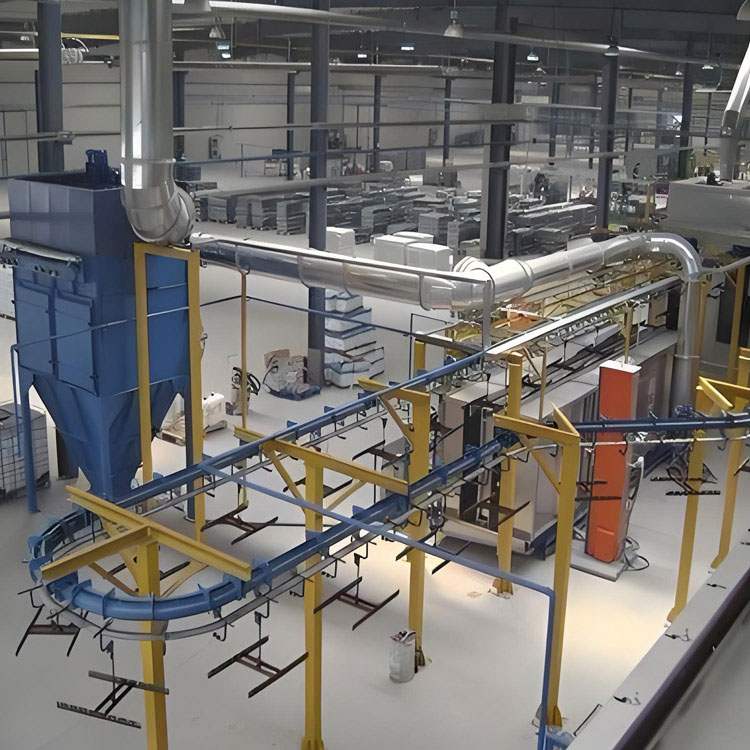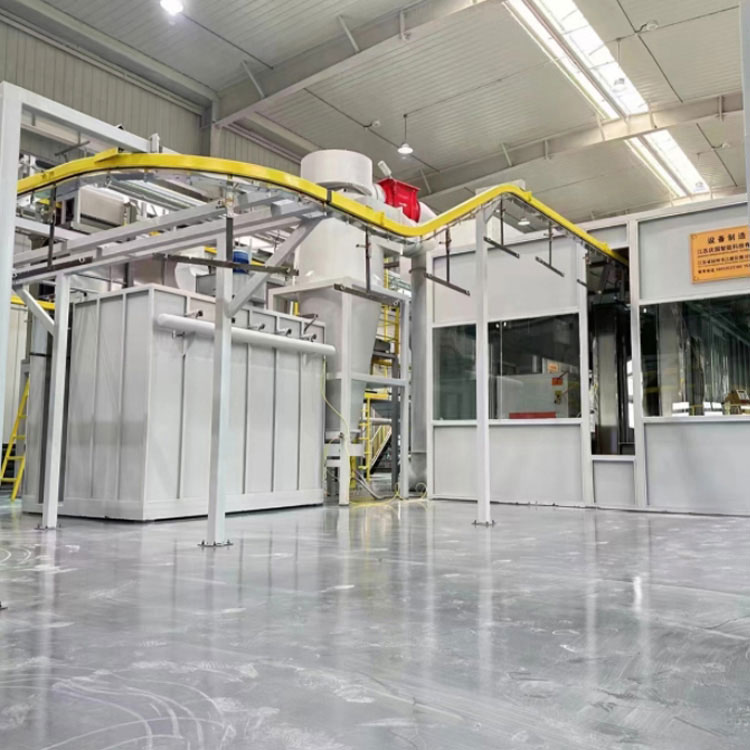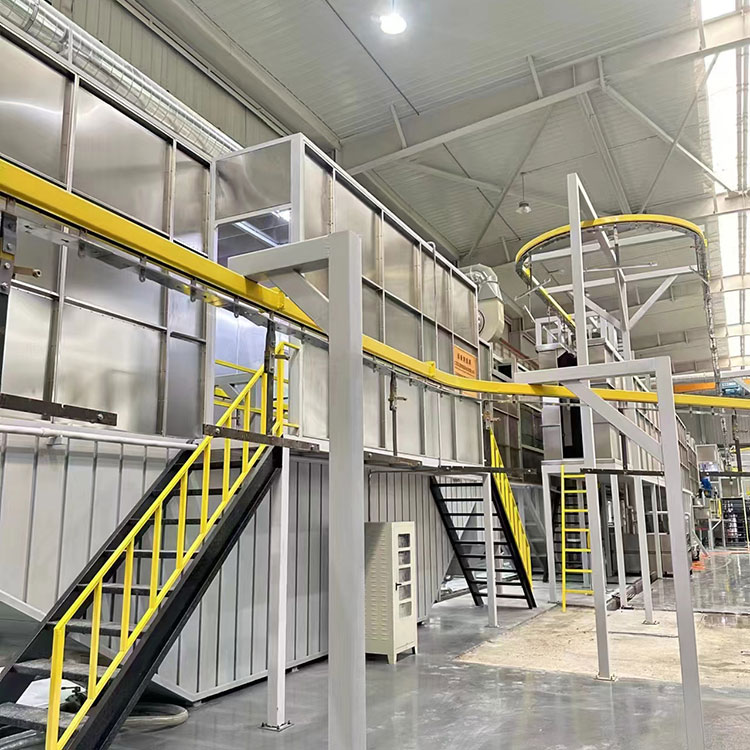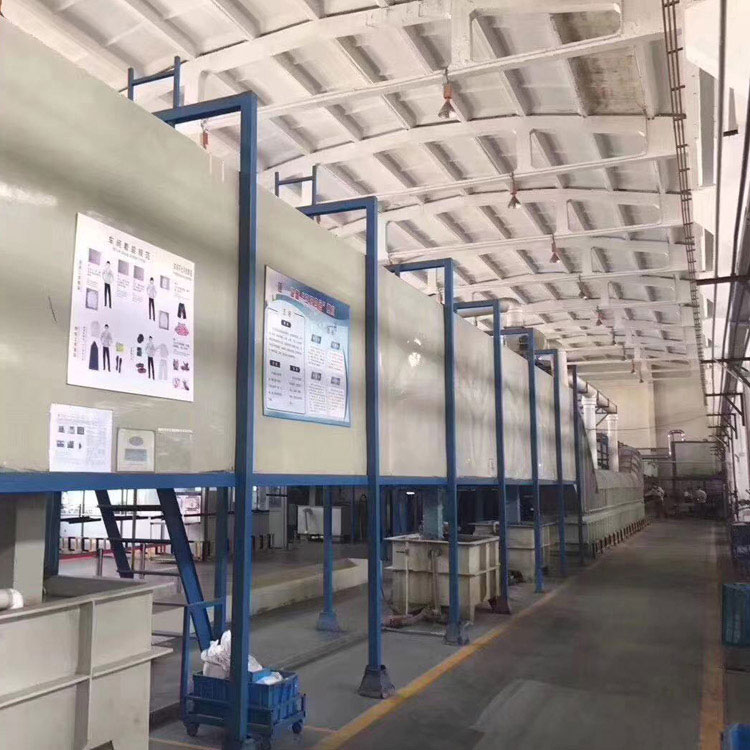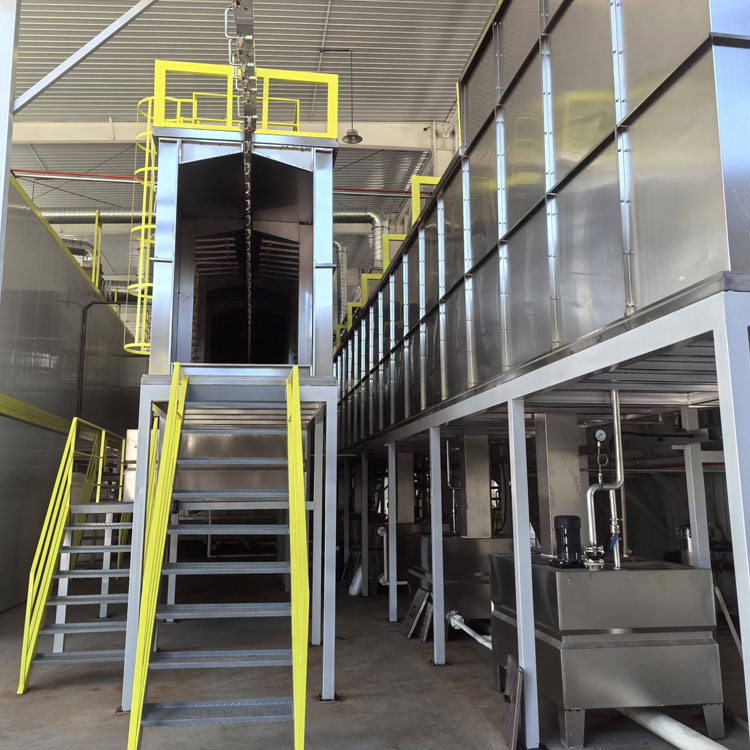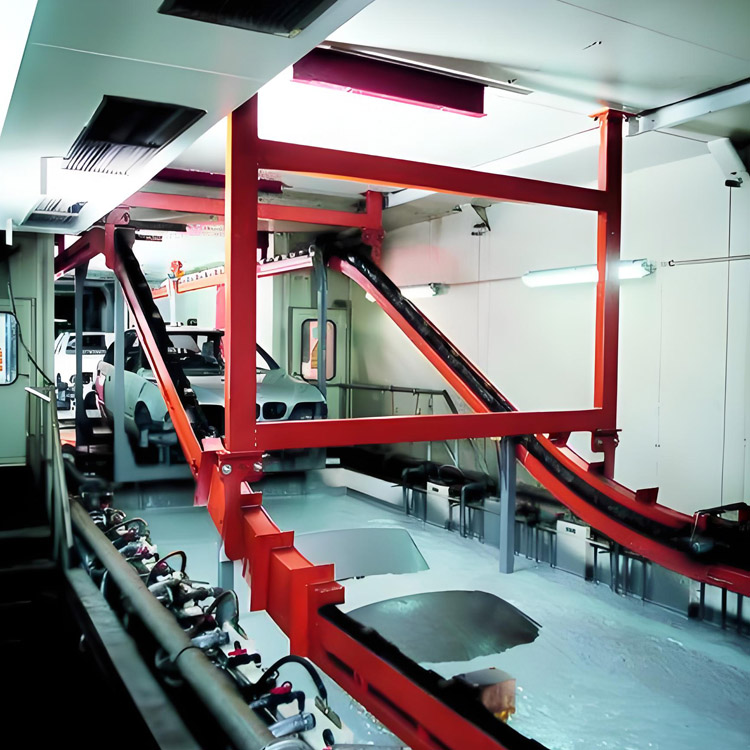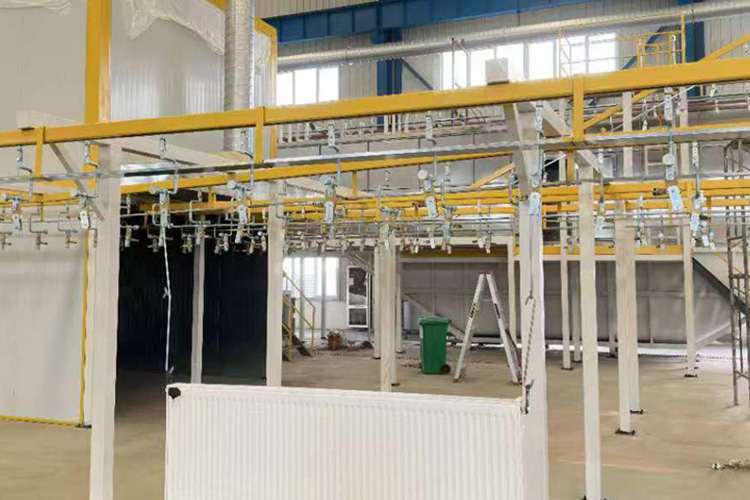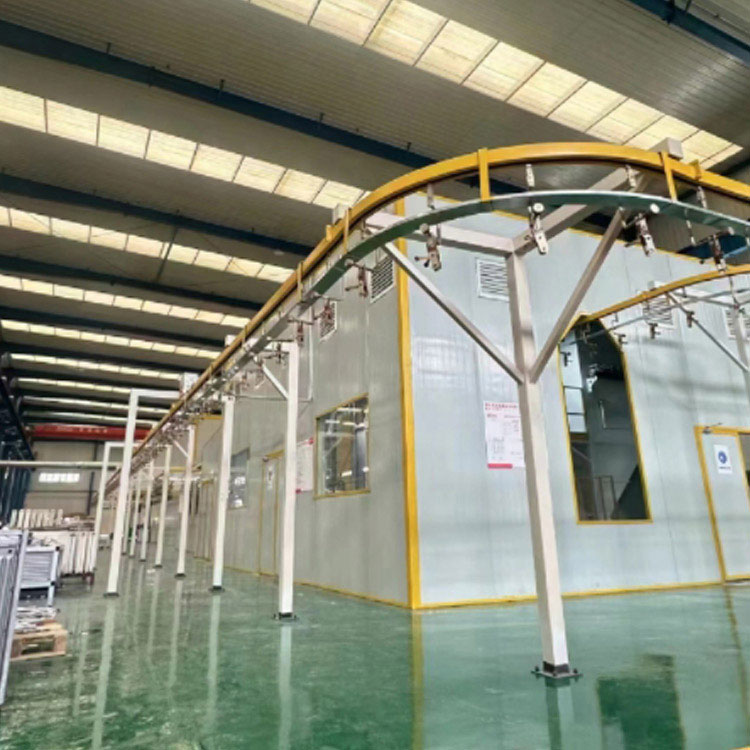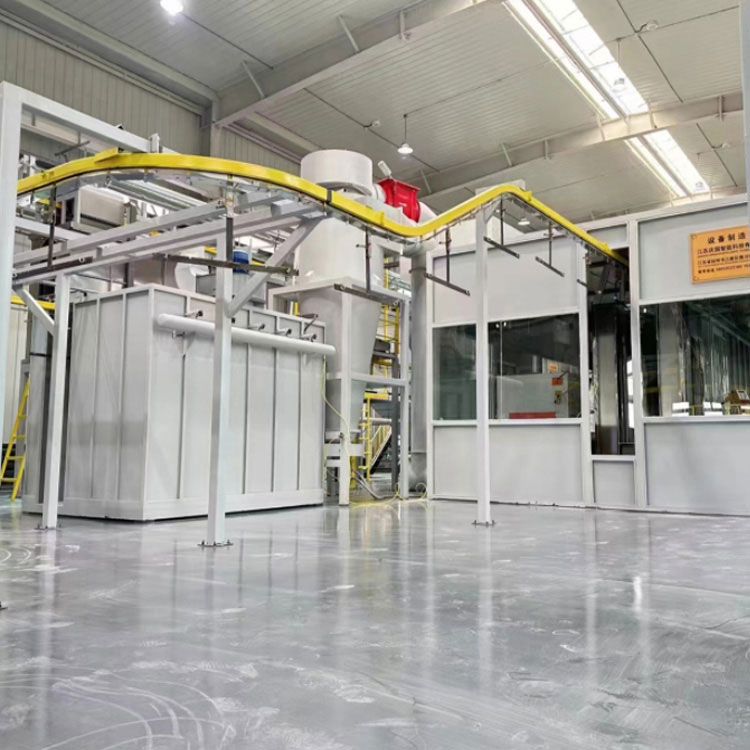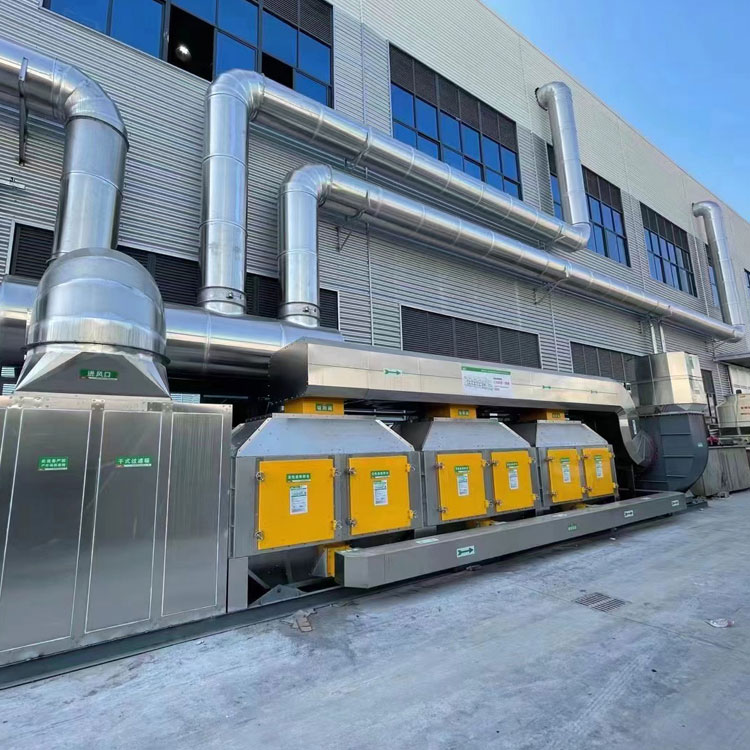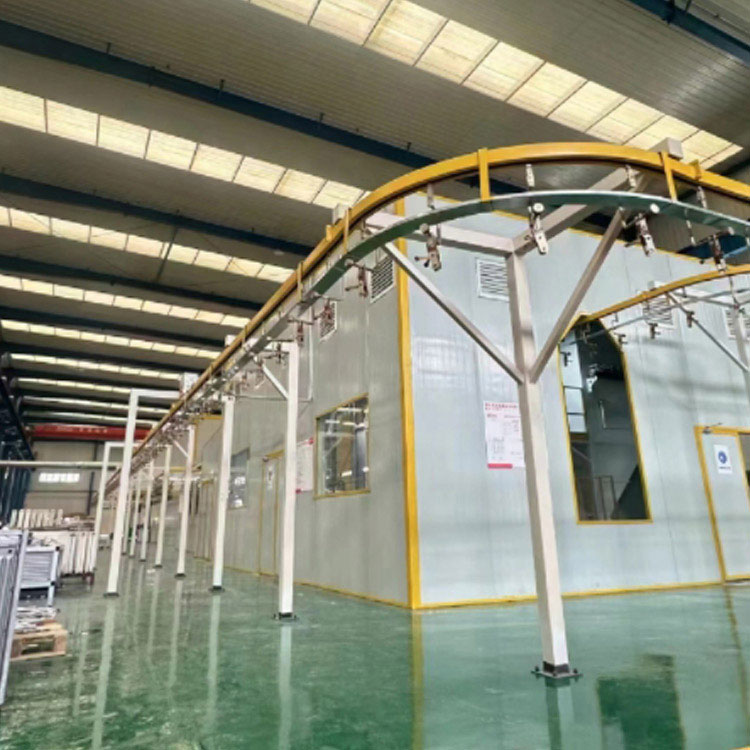

As a core eco-friendly piece of equipment in the coating sector, powder spraying equipment has deeply penetrated diverse industries including automotive manufacturing, building materials, home appliance production, and hardware accessories, thanks to its core strengths of zero waste discharge, durable coatings, and high efficiency & energy saving. Based on the electrostatic adsorption principle, it realizes uniform adhesion of powder coatings, thoroughly addressing the pain points of traditional solvent-based coating (severe pollution and uneven coatings). It has become a key support for promoting the green and standardized transformation of the coating industry.
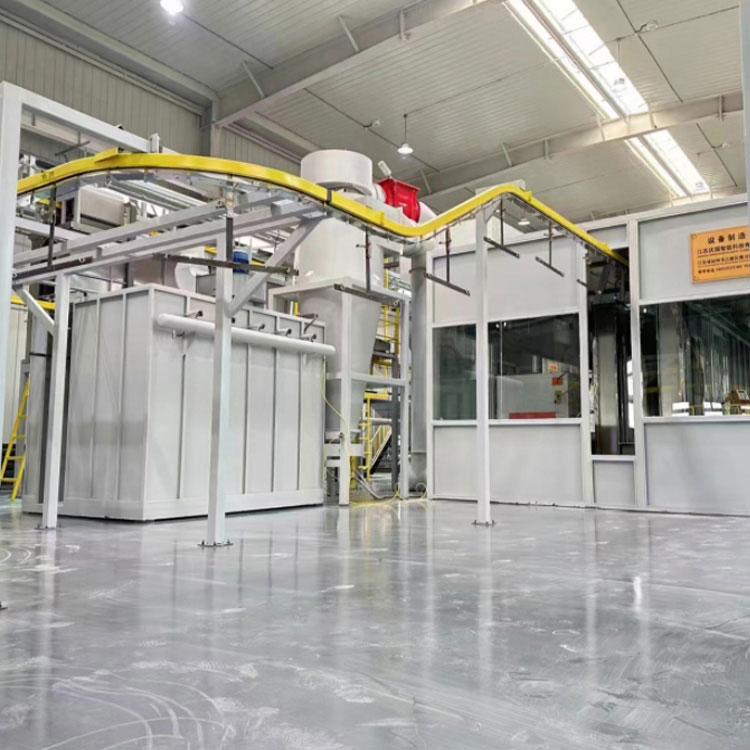
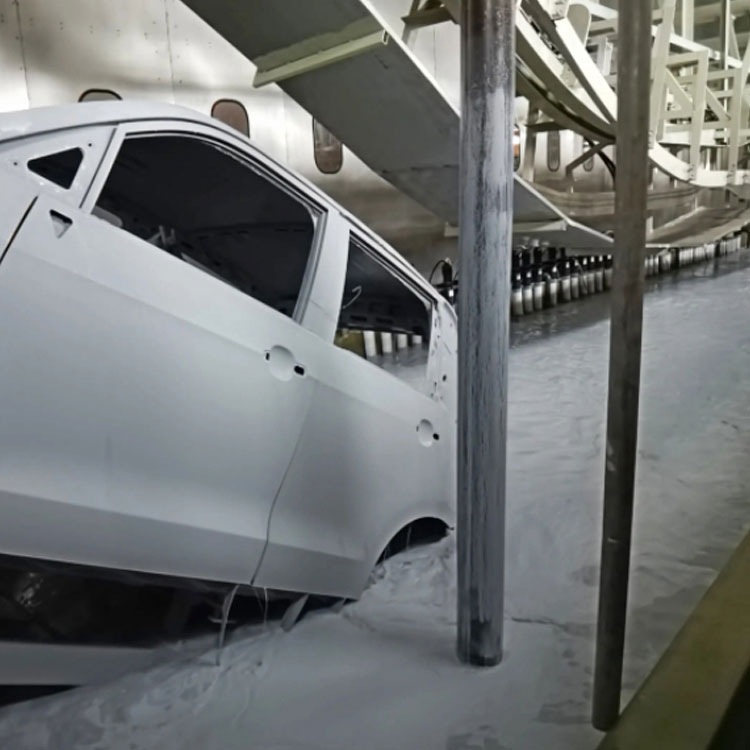
The powder spraying equipment demonstrates outstanding adaptability in coating scenarios such as automotive bodies and chassis components:
The uniformity error of sprayed coating thickness is ≤±5μm, and the salt spray corrosion resistance reaches over 1000 hours, 60% higher than traditional coating, effectively extending the service life of automotive parts.
Data from an automaker shows that after introducing an automated powder spraying line, coating efficiency increased by 50%, coating utilization rate rose from 60% to 95%, and annual VOC emissions were reduced by over 80 tons.
The equipment boasts distinct advantages in coating building materials like aluminum profiles, color steel plates, and guardrails:
It can achieve diverse coating effects (matte, high-gloss, etc.), with coating hardness reaching above Shore D85 and excellent weather resistance – no fading or cracking even after 5 years of outdoor exposure.
A building materials enterprise reported that a single production line can coat 8,000 ㎡ per day after application, 40% more efficient than traditional spraying, with overall coating costs reduced by 25%.
The equipment meets sophisticated requirements in precision coating scenarios such as home appliance casings and inner containers:
It supports spraying of complex special-shaped structures, with coating adhesion grade reaching Level 0 (highest grade) and surface roughness Ra ≤ 0.8μm, eliminating the need for post-spray polishing.
Adapted to the high-mix, low-volume production needs of the home appliance industry, color change time is ≤ 30 minutes. Data from a home appliance factory shows product coating qualification rate increased from 92% to 99.5%.
The equipment highlights flexibility in small-batch, multi-spec coating scenarios such as hardware tools and furniture accessories:
Manual/semi-automatic models feature easy operation, ideal for small and medium-batch production, with coating recycling rate up to 98%, significantly reducing material waste.
Compared with traditional spray painting, powder spraying cuts energy consumption by 30%. A hardware factory saw a 18% reduction in unit product coating cost and 25% increase in production efficiency after adoption.
| Application Industries | Core Applications | Key Data | Adapted Materials |
|---|---|---|---|
| Automotive Manufacturing | Coating for vehicle bodies & chassis components | Salt spray resistance ≥1000h; Coating utilization 95% | Steel plate, aluminum alloy |
| Building Materials | Coating for aluminum profiles, color steel plates & guardrails | Daily coating output 8,000 ㎡; Cost ↓25% | Aluminum, steel |
| Home Appliance Production | Coating for appliance casings & inner containers | Adhesion Grade 0; Qualification rate 99.5% | Cold-rolled sheet, plastic |
| Hardware Accessories | Coating for hardware tools & furniture accessories | Energy consumption ↓30%; Cost ↓18% | Steel, zinc alloy |
Currently, powder spraying equipment is evolving towards intelligence and automation: integrated AI visual inspection systems enable real-time identification of coating defects, and fully automated production lines support unmanned continuous operation. As core equipment for the green transformation of the coating industry, it will continue to empower high-quality development across multiple sectors and facilitate the achievement of dual-carbon goals.