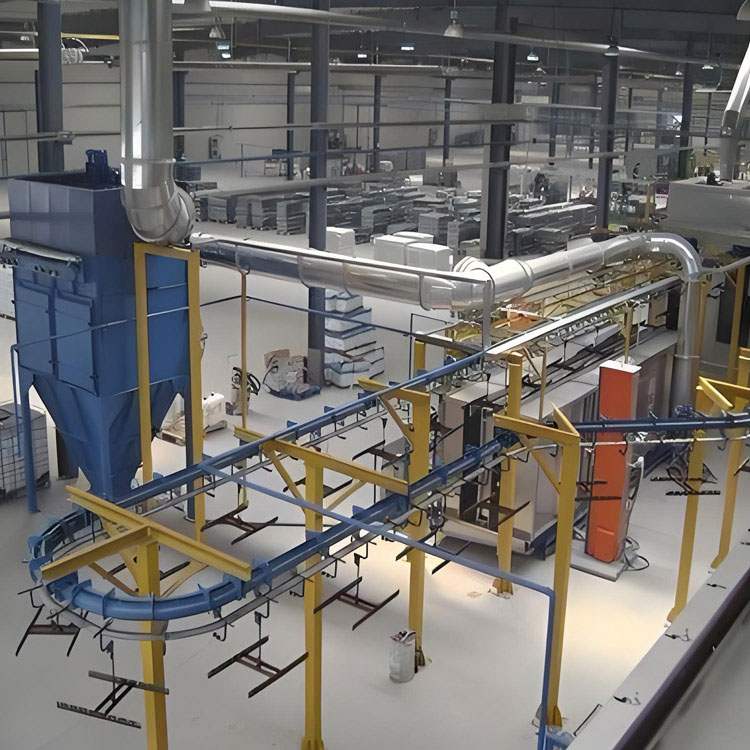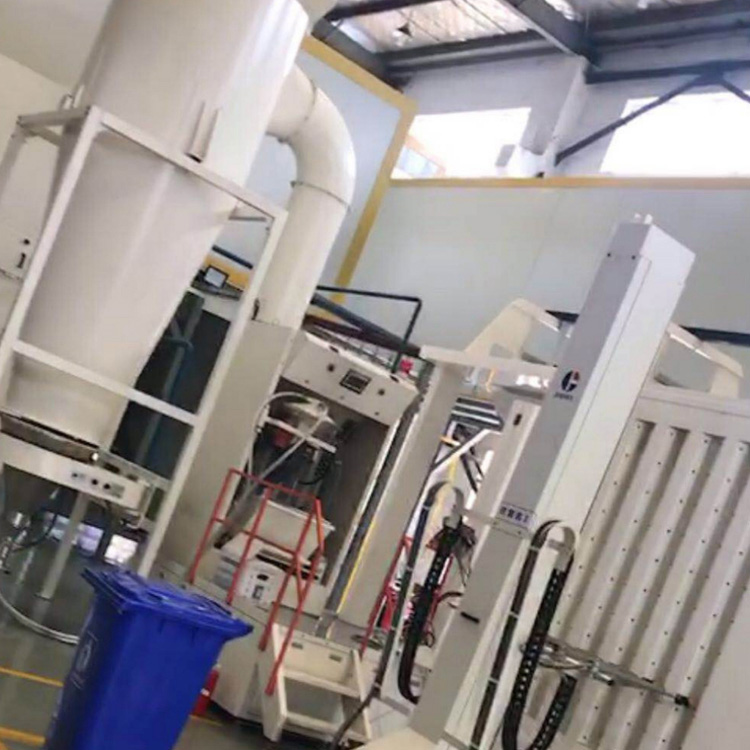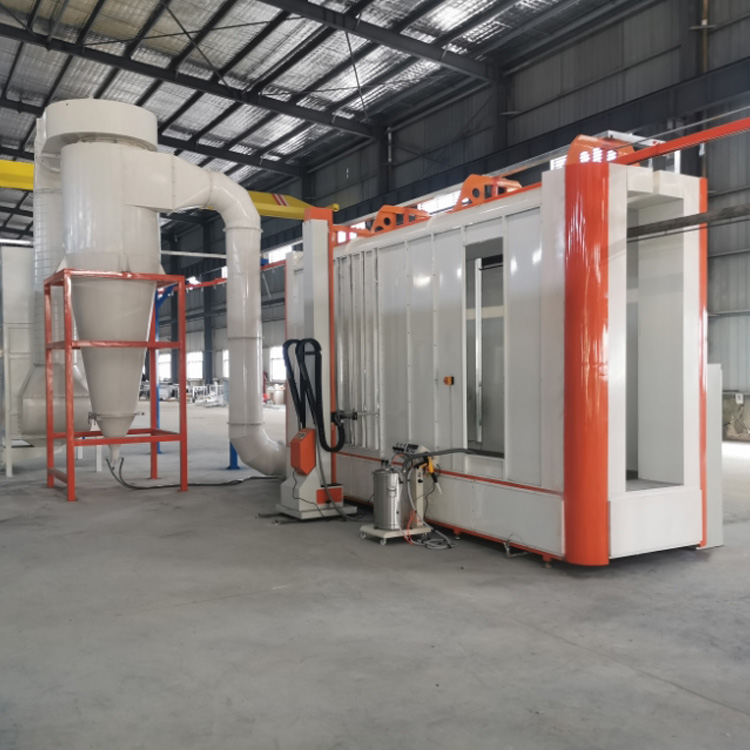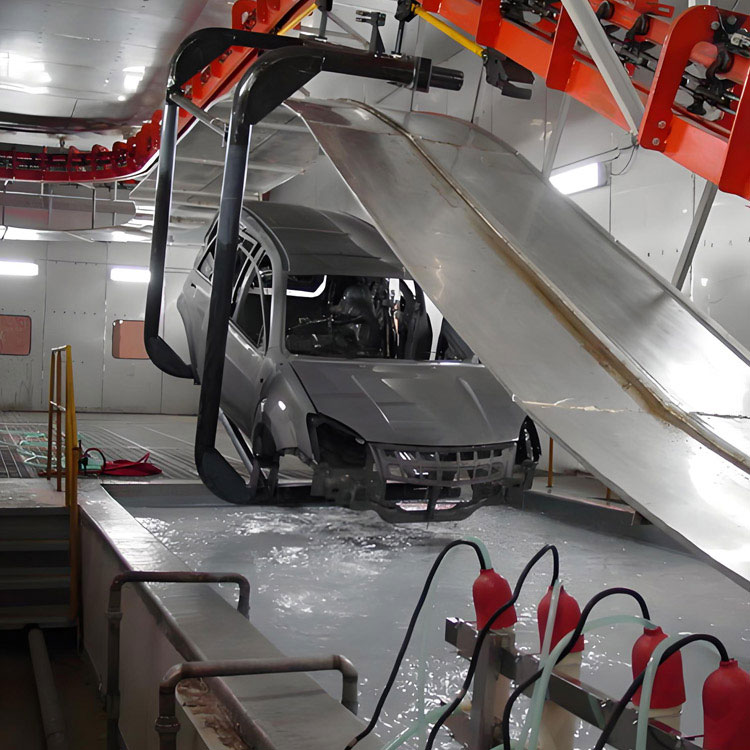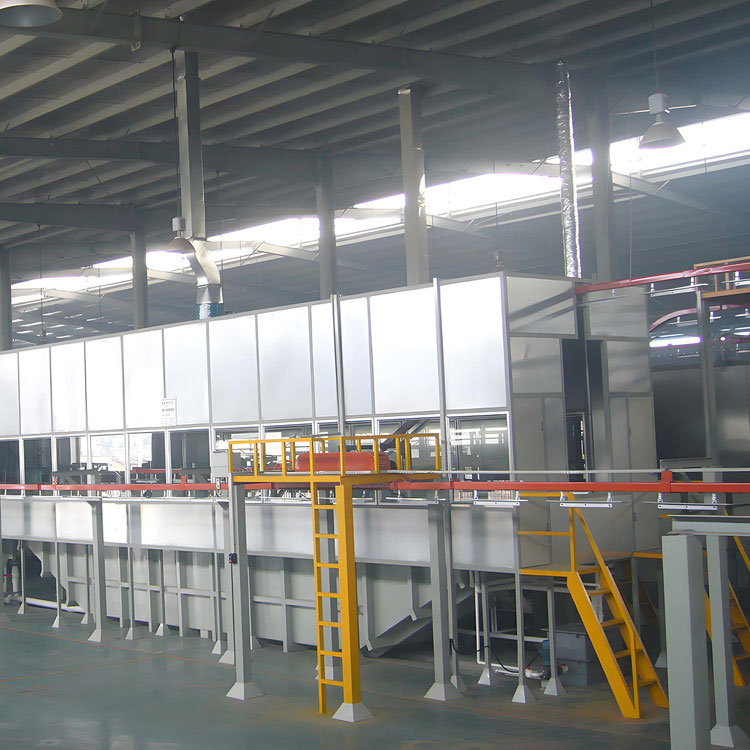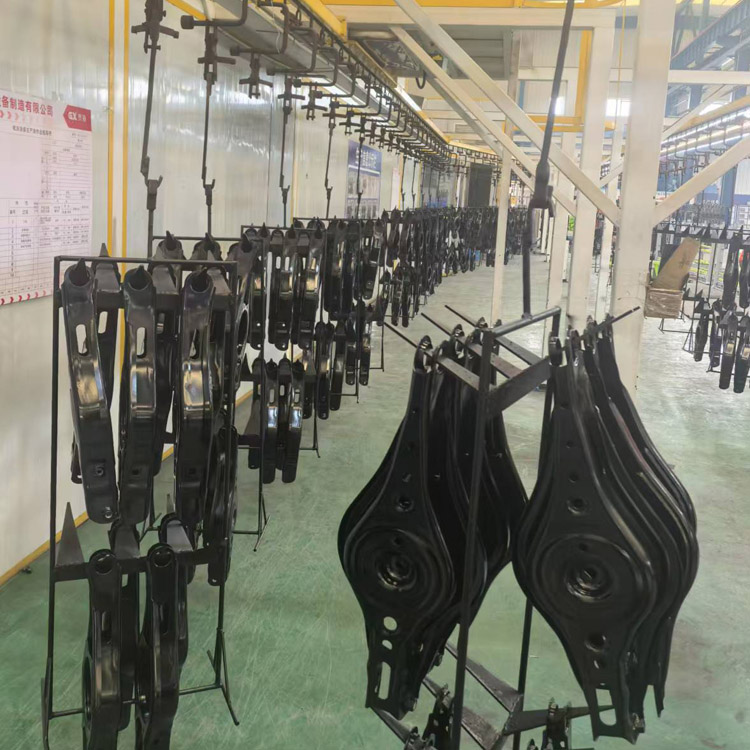

In a manual powder coating operation, the painter sees the part, aims the gun, and triggers the spray. In an automatic line, the part moves on a conveyor and the guns must fire at the right moment without anyone watching each piece. The Qingguo Intelligent Automatic Powder Coating Booth is built for this kind of conveyorized production. Understanding how the booth detects the part, triggers the guns, and handles the powder that misses the target explains why automatic lines can run faster and more consistently than manual stations.
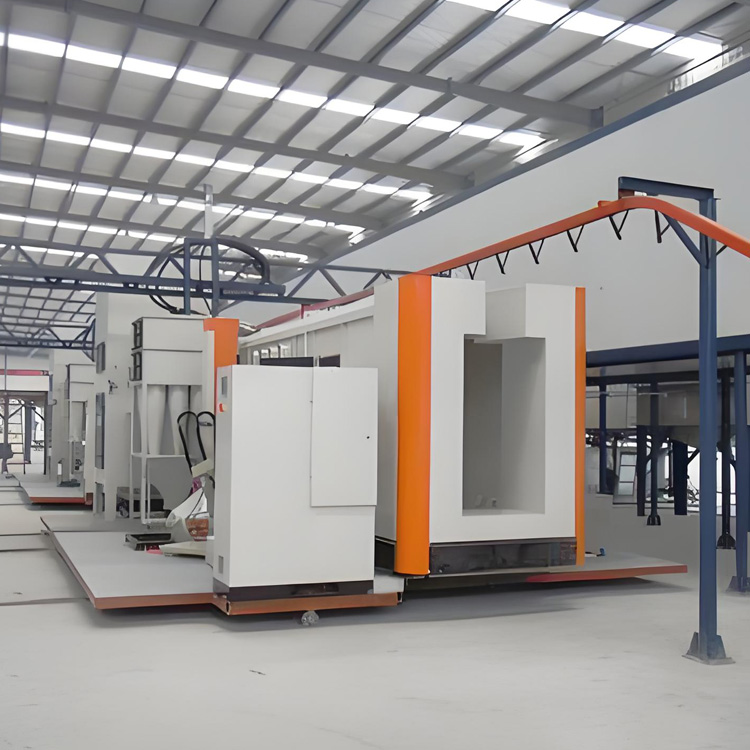
Part Entry and Positioning
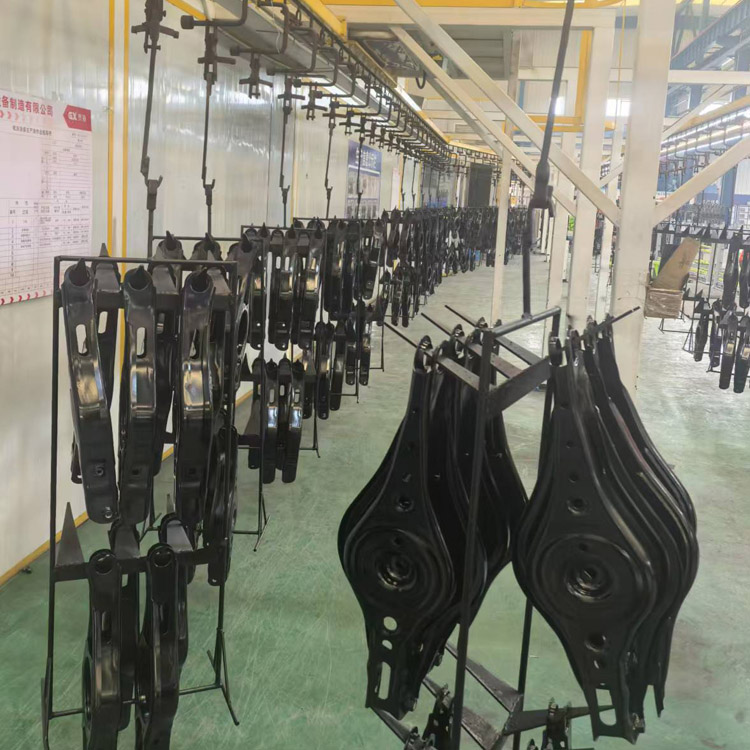
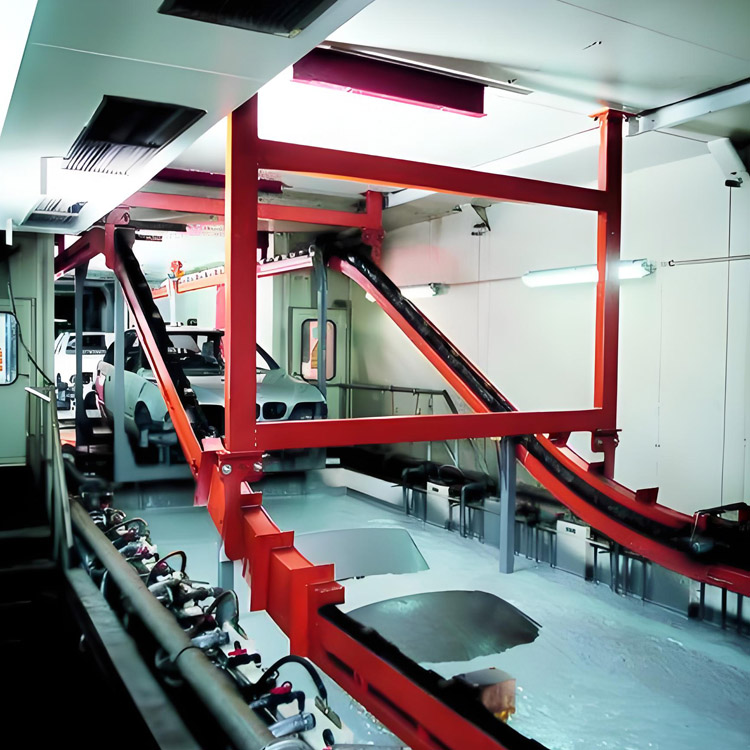
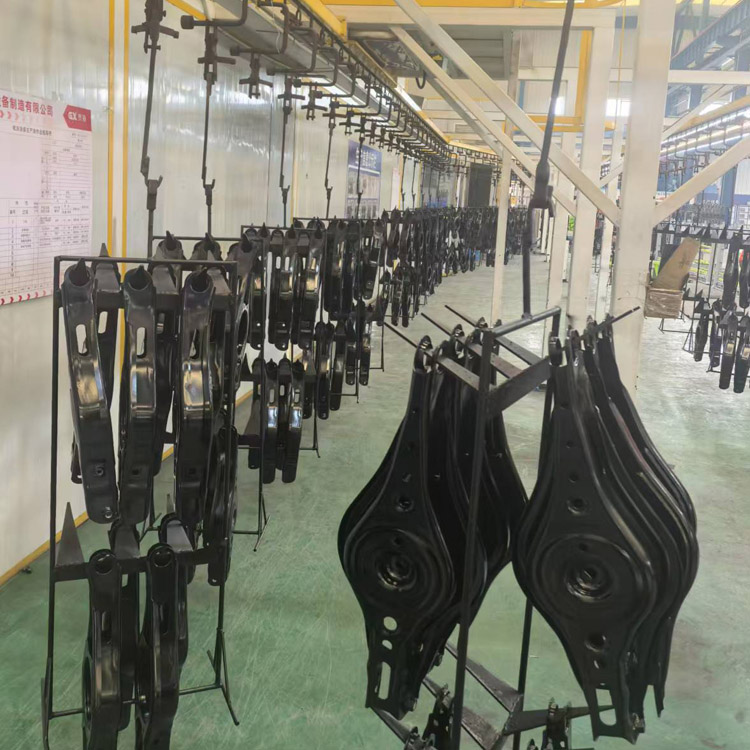
Parts arrive on a conveyor that carries them through the booth opening. As each part enters the spray zone, sensors mounted at the booth entrance detect its presence and position. The signal from these sensors tells the control system that a part is in range and triggers the reciprocators to begin their stroke. Without this detection step, the guns would either spray continuously and waste powder, or fire at the wrong time and miss the part entirely.
Part Geometry and Sensor Placement
The type of sensor used depends on the parts being coated. Photoelectric sensors work well for parts with consistent shape and reflective surfaces. Proximity sensors are used when the part material and shape allow reliable detection at close range. The sensors are positioned so that they detect the leading edge of the part before it reaches the guns, giving the control system enough time to start the reciprocator stroke and energize the guns at the correct moment.
Conveyor Speed and Timing
The conveyor speed determines how long each part spends in the spray zone. The control system uses this speed to calculate when to start and stop the guns. If the conveyor speed changes, the timing must be adjusted to match. A consistent conveyor speed is essential for uniform coating thickness. On Qingguo Intelligent booths, the control system can be configured to work with the specific conveyor speed of the customer's line.
Reciprocator Stroke and Gun Travel
The booth has openings on each side where reciprocators are mounted. A reciprocator moves the guns up and down in a controlled stroke, covering the full height of the part as it passes through. The stroke length and speed are set based on the part dimensions and the desired coating coverage. For taller parts, the reciprocator stroke is longer. For parts with complex shapes, the stroke may be adjusted to focus on areas that need more coverage.
Gun Triggering and Powder Output
Each gun is connected to the powder feed system and the control panel. When the sensor detects a part, the control system sends a signal to the guns to start spraying. The electrostatic charge is applied to the powder as it leaves the gun, and the grounded part attracts the charged particles. The powder output can be adjusted for different part sizes and coating requirements. The control system manages the timing so that the guns fire only when a part is in front of them.
Multiple Guns and Coverage
Automatic booths often use multiple guns on each side to ensure complete coverage. The guns may be arranged at different angles to reach the top, sides, and bottom of the part. The control system coordinates the guns so that they work together without overlapping excessively or leaving gaps. For parts with recessed areas or complex geometry, the gun arrangement and triggering sequence can be customized.
Painter Posts on the Booth
Even with automatic guns, some parts have geometry that is difficult to coat completely. Deep recesses, shadowed areas behind projections, and internal corners may not receive enough powder from the automatic guns alone. The Qingguo Intelligent booth can be equipped with painter posts where an operator stands with a manual powder gun. As the part passes, the painter can touch up areas that the automatic guns missed.
When Touch-Up Is Needed
The need for manual touch-up depends on the part geometry and the coating specification. Simple, flat parts may not require any touch-up. Parts with complex shapes or strict coverage requirements may need a painter at each booth. The painter posts are positioned so that the operator has a clear view of the part and can reach the areas that need attention without interfering with the automatic guns.
Balancing Automatic and Manual Work
The goal of the automatic booth is to reduce manual effort, but not necessarily to eliminate it entirely. For many finishing operations, a combination of automatic spraying and targeted manual touch-up produces the best results. The automatic guns handle the bulk of the coating, and the painter corrects any thin spots or missed areas. This approach keeps the line moving quickly while maintaining finish quality.
Cyclone Separation
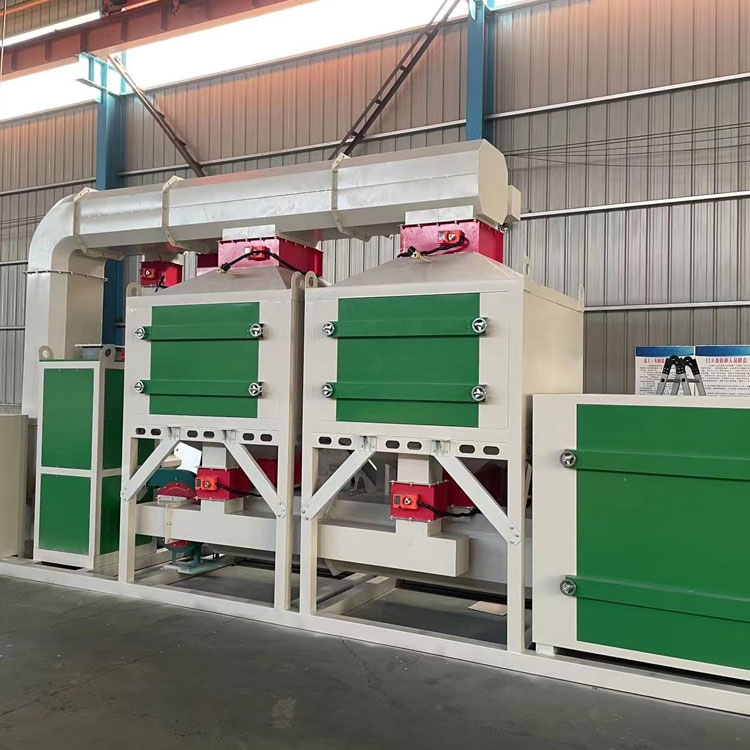
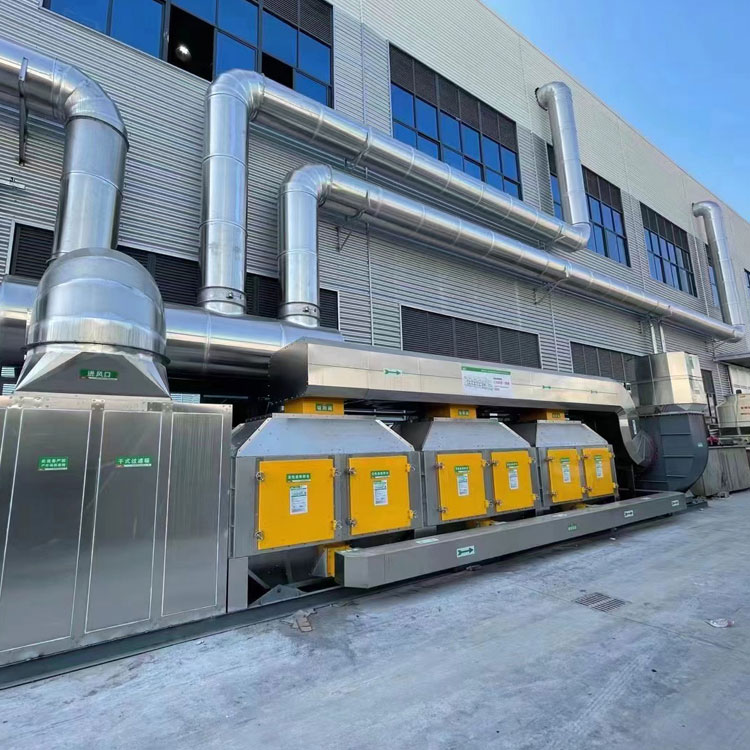
Not all powder that leaves the gun lands on the part. A significant portion misses the target and becomes overspray. The booth is equipped with cyclone separators that capture this overspray. Air carrying the powder enters the cyclone from the top, spirals downward, and the centrifugal force causes the heavier powder particles to settle against the cone wall and drop to the bottom. The cleaned air exits the top of the cyclone and passes through an after-filter group before being exhausted.
Powder Recovery and Reuse
The powder collected at the bottom of the cyclone is transferred back to the powder feed system by a powder injector. The injector uses the venturi principle, operating with compressed air to move the powder through a tube back to the feed hopper. This recovered powder is mixed with fresh powder and reused. The recovery system reduces material waste and lowers the amount of powder that must be discarded.
Filter Group and Exhaust
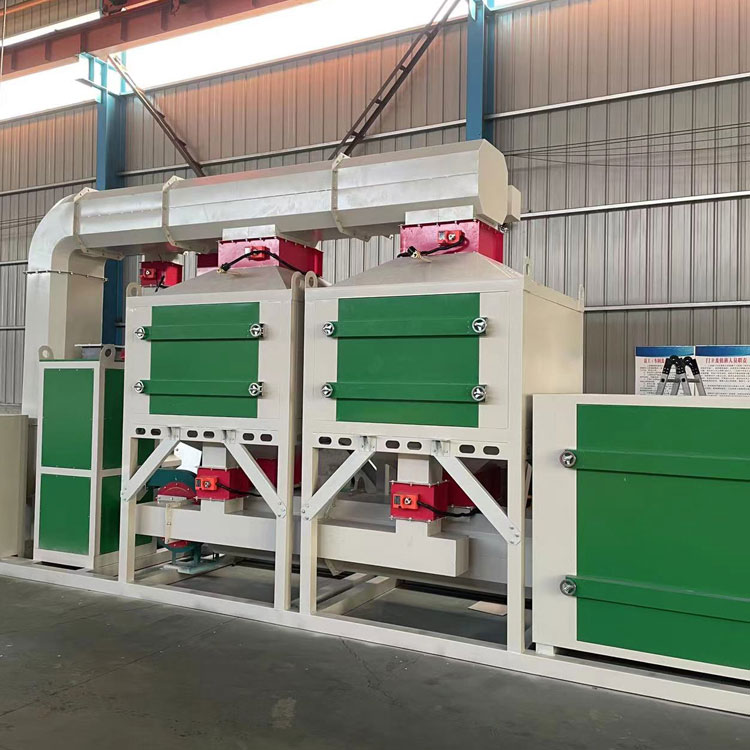
After the cyclone, the air still contains fine powder particles that were not separated. The after-filter group captures these remaining particles before the air is exhausted. The filters must be maintained regularly to prevent clogging and to maintain proper airflow through the booth. The booth's negative pressure is maintained by the exhaust fan, which pulls air through the booth, cyclone, and filters in sequence.
| Item | Specification |
|---|---|
| Brand | Qingguo Intelligent |
| Product | Automatic Powder Coating Booth |
| Application | Conveyorized automatic powder coating lines |
| Booth Openings | Openings on each side for reciprocators |
| Manual Stations | Painter posts for touch-up available |
| Recovery System | Cyclone separators with after-filter group |
| Powder Return | Venturi powder injector with compressed air |
| Cabinet Frame | 1.5–2mm AISI 304 stainless steel |
| Assembly | Bolted construction, demountable for relocation |
| Production Process | Design, fabrication, testing, installation, maintenance |
Contact Qingguo Intelligent for booth dimensions, reciprocator configuration, or system design support for your powder coating line.
-