
News

How Does an Electrophoretic Coating Production Line Transform Industrial Surface Finishing?

2026-05-11 0 Leave me a message

An electrophoretic coating production line is one of the most advanced surface finishing systems used in modern manufacturing. It enables uniform, corrosion-resistant, and highly durable coatings on metal parts through a controlled electrochemical process. This article explores how these production lines work, what problems they solve, and why they are widely adopted across automotive, hardware, appliance, and industrial manufacturing sectors. You will gain a deep understanding of system structure, workflow, advantages, maintenance considerations, cost factors, and real-world applications, helping you make informed decisions for production upgrades or new investments.

electrophoretic coating production line


Table of Contents


1. Overview of Electrophoretic Coating Technology

Electrophoretic coating, also known as e-coating, is a surface finishing technology that uses electrical current to deposit paint particles onto conductive materials. It is widely used for metal parts requiring uniform coverage, high corrosion resistance, and strong adhesion performance.

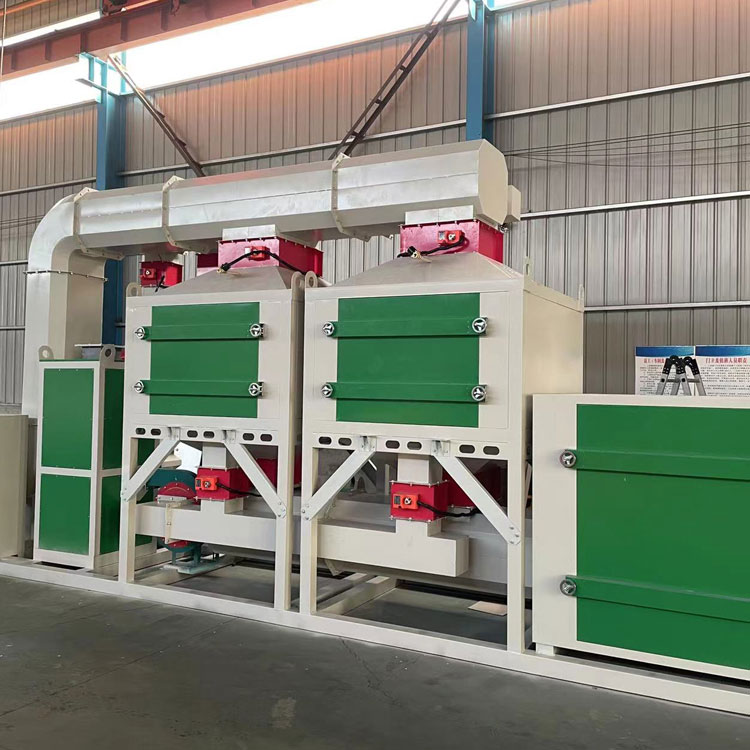
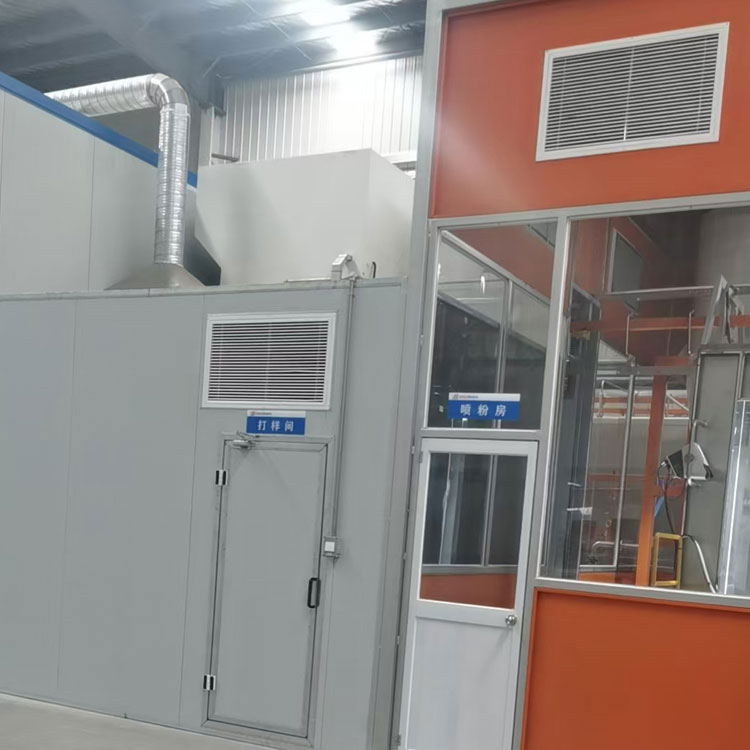
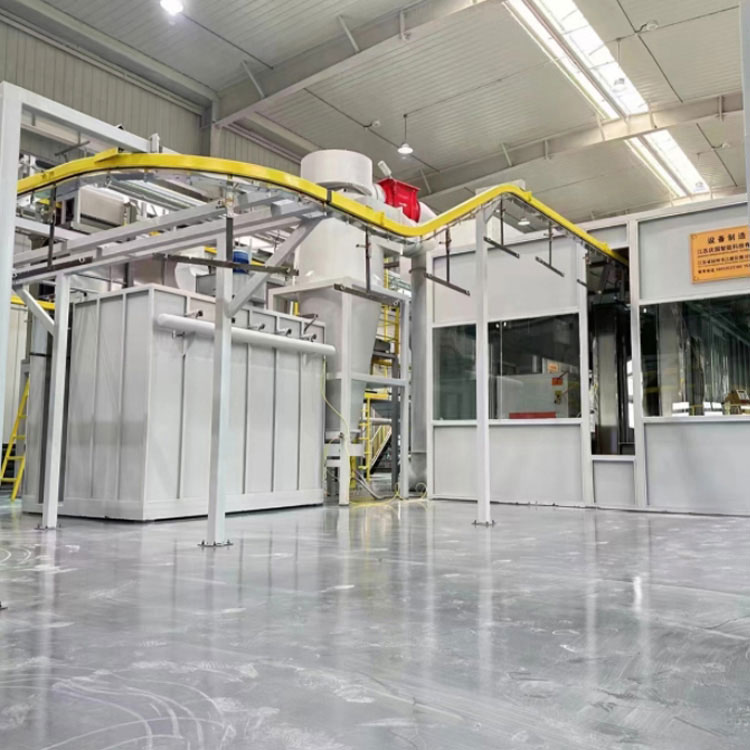
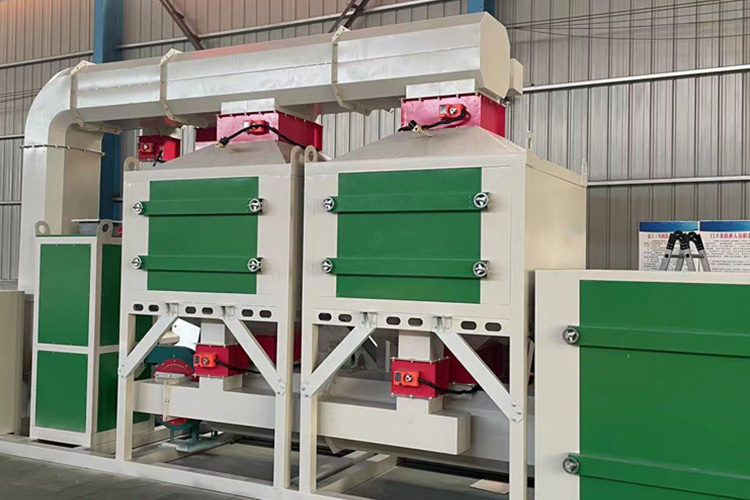
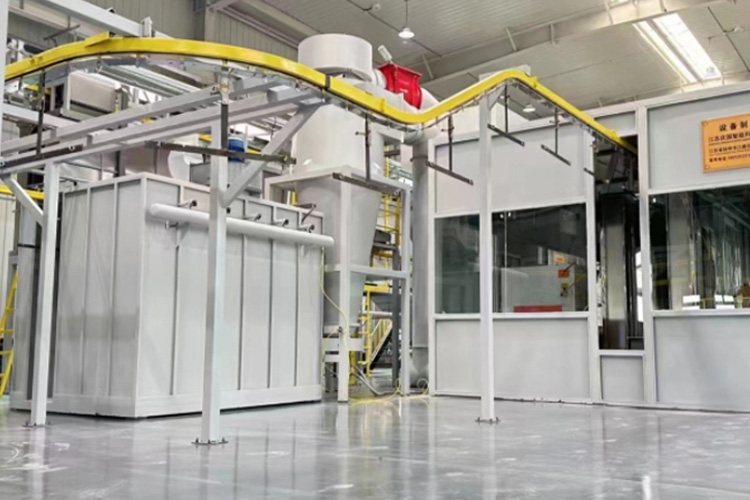
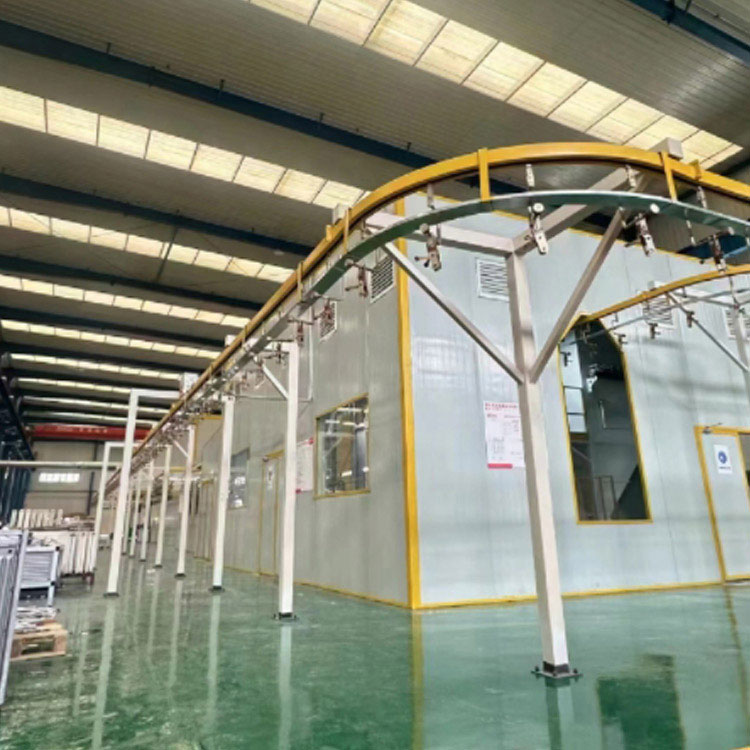
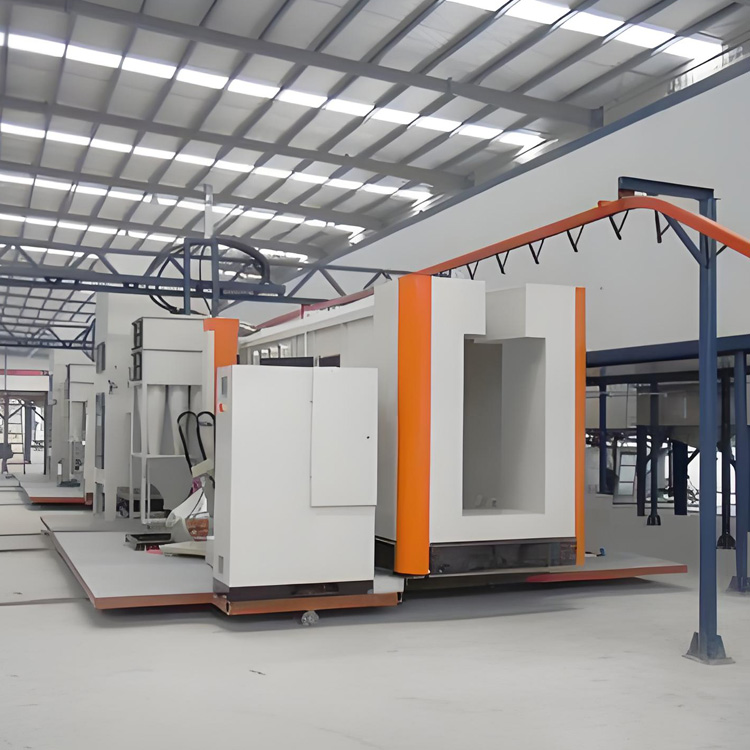
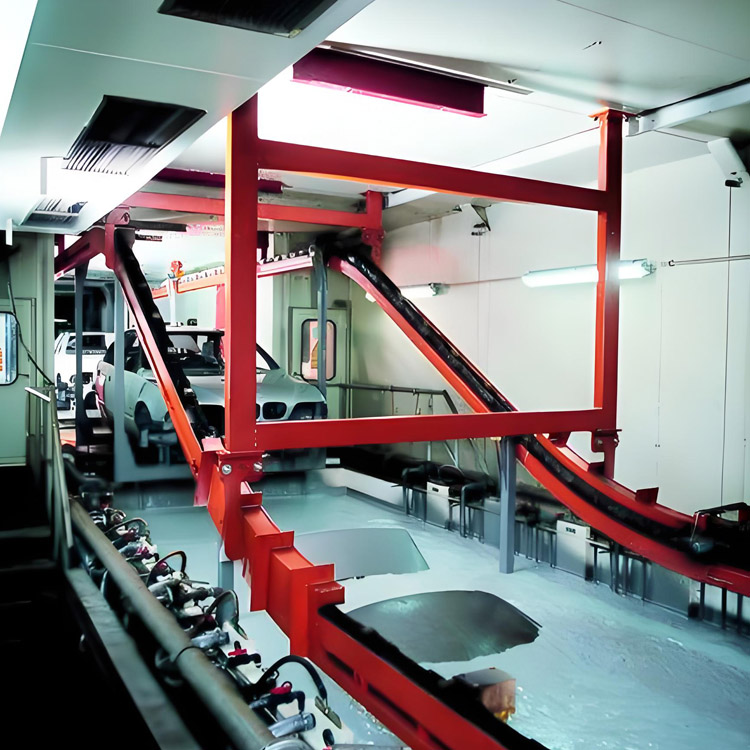
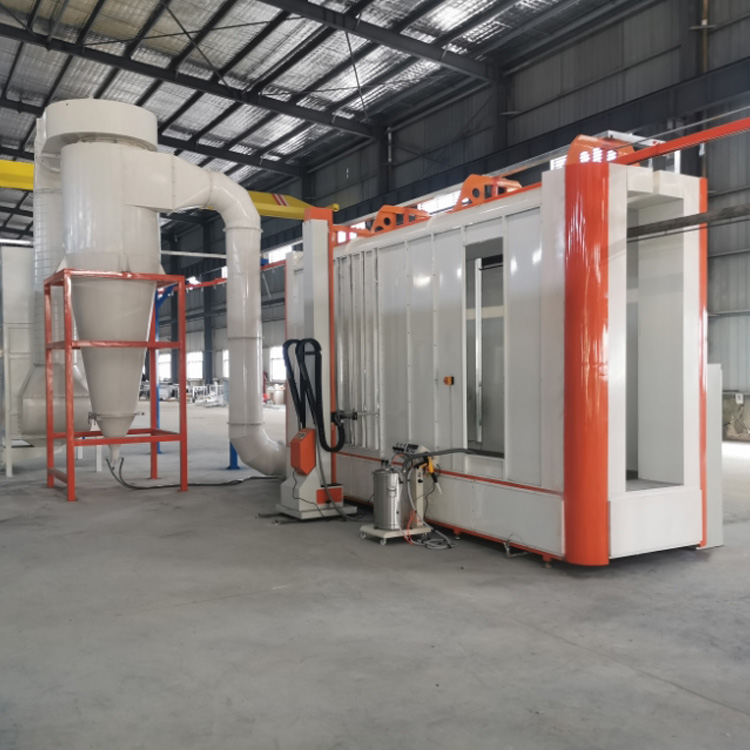
An electrophoretic coating production line integrates multiple automated systems such as pretreatment tanks, electrophoresis tanks, power supply units, baking ovens, and conveying systems. Together, these components ensure a continuous, stable, and efficient coating process suitable for large-scale industrial production.

Compared with traditional spraying or dipping methods, electrophoretic coating achieves better uniformity and significantly reduces material waste. It is especially valuable in industries requiring high durability and precision.


2. Working Principle of the Production Line

The core principle of electrophoretic coating is based on electrochemical deposition. When an electric field is applied between two electrodes submerged in a coating bath, charged paint particles migrate toward the oppositely charged workpiece and form a uniform coating layer.

The process involves four key physical mechanisms:

  • Electrophoresis: Movement of charged particles under an electric field
  • Electrodeposition: Coating material adheres to the surface
  • Electroosmosis: Water removal from the deposited film
  • Film formation: Solid coating layer becomes stable and uniform

This controlled process ensures even coating thickness, even on complex geometries such as grooves, edges, and inner cavities.


3. Key Components of the System

A complete electrophoretic coating production line is composed of multiple integrated subsystems. Each plays a crucial role in ensuring consistent quality and efficiency.

Component Function
Pretreatment System Removes oil, rust, and impurities from metal surfaces
Electrophoresis Tank Main coating bath where paint deposition occurs
Power Supply Unit Provides controlled DC current for deposition
Ultrafiltration System Maintains bath stability and recovers paint
Baking Oven Cures coating layer at high temperature
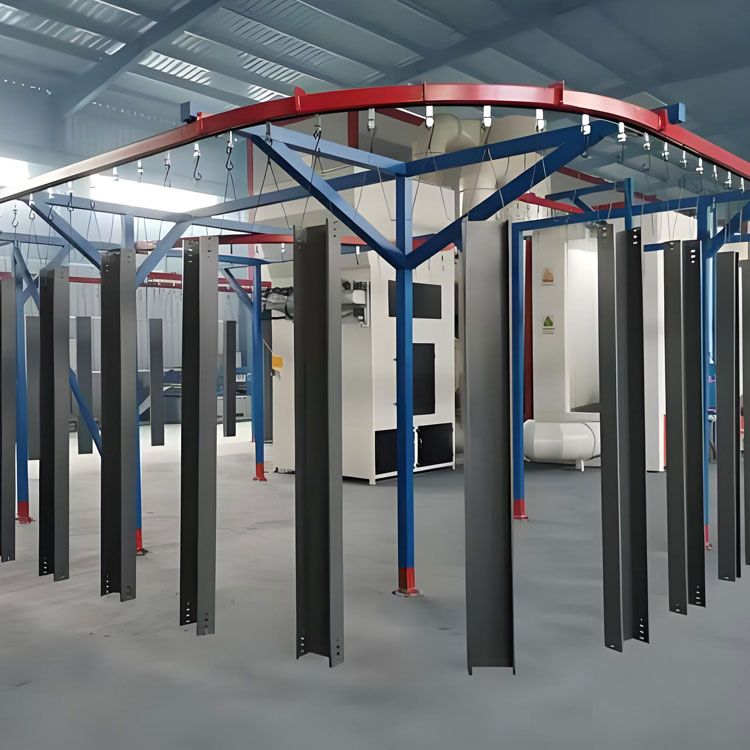
Conveyor System Automates movement of workpieces
Control System Monitors voltage, temperature, and process parameters

Each subsystem must operate in synchronization to ensure coating quality and production efficiency.


4. Step-by-Step Production Process

The electrophoretic coating process typically follows these steps:

  1. Surface Cleaning: Oil removal and degreasing ensure strong adhesion.
  2. Water Rinsing: Removes chemical residues from pretreatment.
  3. Phosphating (optional): Enhances corrosion resistance and coating adhesion.
  4. Electrophoretic Coating: Workpieces are submerged in paint bath under DC voltage.
  5. Ultrafiltration Rinse: Removes excess paint and stabilizes film.
  6. Drying and Baking: High-temperature curing forms a solid protective layer.
  7. Cooling and Inspection: Ensures coating uniformity and quality standards.

The entire process is automated in modern production lines, reducing human intervention and improving consistency.


5. Major Advantages for Manufacturers

  • Excellent Corrosion Resistance: Ideal for harsh environments such as automotive underbodies and industrial machinery.
  • Uniform Coating Thickness: Even coverage on complex shapes and hidden surfaces.
  • High Material Efficiency: Paint utilization rate can exceed 90%.
  • Environmentally Friendly: Water-based systems reduce VOC emissions.
  • Automation Capability: Suitable for large-scale continuous production.
  • Cost Efficiency: Reduced labor and material waste lower overall production costs.

These advantages make electrophoretic coating a preferred solution in modern manufacturing industries.


6. Industry Pain Points Solved

Before adopting electrophoretic coating systems, manufacturers often face several challenges:

  • Uneven coating on complex geometries
  • High paint waste in traditional spraying
  • Environmental compliance issues
  • Inconsistent product quality
  • High labor dependency

Electrophoretic coating production lines directly address these issues by introducing automation, precision control, and closed-loop paint recovery systems. As a result, manufacturers achieve higher product consistency and reduced operational risk.


7. How to Choose the Right Production Line

Selecting a suitable electrophoretic coating production line requires careful evaluation of production needs and technical specifications.

  • Production Capacity: Determine daily or hourly output requirements
  • Workpiece Size: Ensure tank and conveyor compatibility
  • Automation Level: Fully automatic vs semi-automatic systems
  • Energy Consumption: Evaluate long-term operational costs
  • Coating Requirements: Corrosion resistance, color, and thickness
  • Space Layout: Factory floor planning and installation feasibility

A well-designed system should balance performance, cost, and scalability.


8. Maintenance and Operational Stability

Regular maintenance is essential to ensure stable operation and consistent coating quality. Key maintenance tasks include:

  • Monitoring bath chemical composition
  • Cleaning ultrafiltration systems
  • Checking electrical supply stability
  • Maintaining conveyor lubrication
  • Inspecting heating systems in curing ovens

Preventive maintenance reduces downtime and extends equipment lifespan, improving long-term ROI.

9. Common Problems and Solutions

Problem Possible Cause Solution
Uneven coating Voltage instability Adjust power supply and check electrode condition
Poor adhesion Incomplete pretreatment Improve cleaning and phosphating process
Surface defects Contaminated bath Replace or filter coating solution
Low efficiency Conveyor malfunction Inspect and calibrate mechanical system

10. Industry Applications

Electrophoretic coating production lines are widely used in:

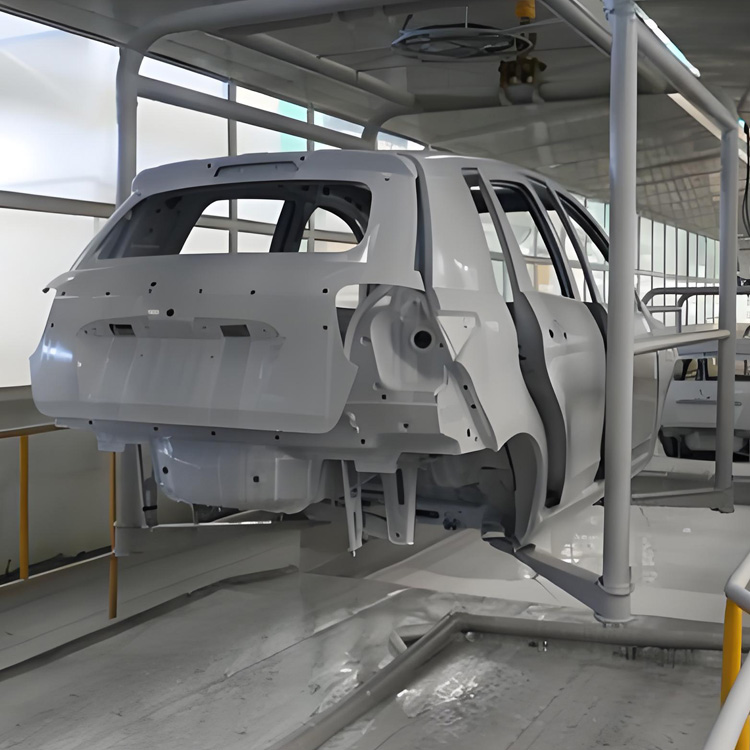
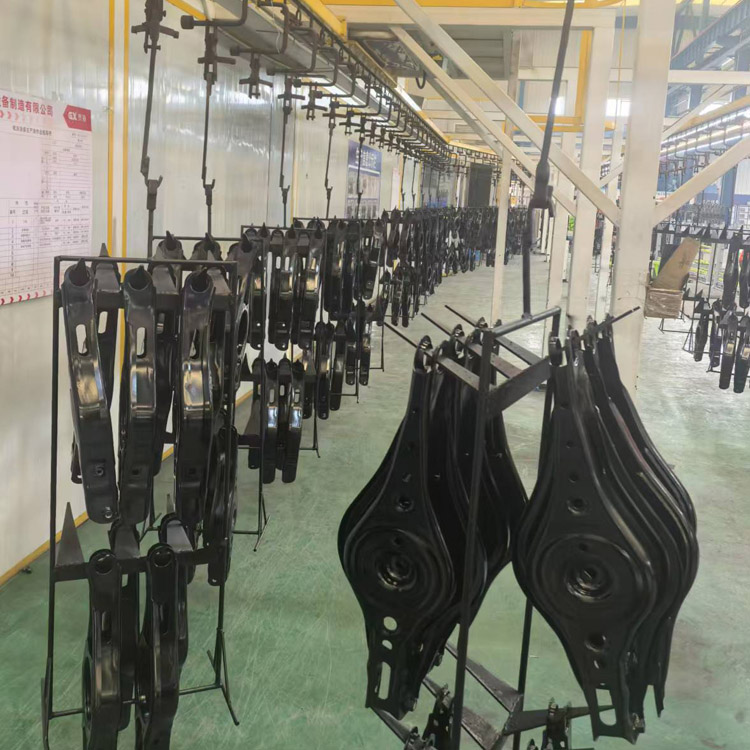
  • Automotive manufacturing (body frames, chassis components)
  • Home appliances (refrigerators, washing machines)
  • Hardware tools and fasteners
  • Industrial machinery parts
  • Electrical enclosures and cabinets

Their versatility makes them suitable for both high-volume production and specialized industrial applications.


11. Investment and Cost Considerations

The investment in an electrophoretic coating production line varies depending on capacity, automation level, and customization requirements. Key cost factors include:

  • Equipment manufacturing and installation
  • Civil engineering and factory modification
  • Energy consumption systems
  • Maintenance and spare parts
  • Training and technical support

Although initial investment may be significant, long-term savings in labor, material usage, and efficiency often result in strong financial returns.


12. Future Trends in Electrophoretic Coating

The future of electrophoretic coating production lines is driven by automation, sustainability, and smart manufacturing technologies. Emerging trends include:

  • AI-based process monitoring and optimization
  • Energy-efficient curing systems
  • Advanced eco-friendly coating materials
  • Fully digitalized production control systems
  • Integration with smart factory ecosystems

These advancements will further improve efficiency, reduce environmental impact, and enhance product quality consistency.


13. Frequently Asked Questions

Q1: What materials can be coated using electrophoretic coating?
It is mainly used for conductive materials such as steel, aluminum, and other metals.

Q2: Is electrophoretic coating environmentally friendly?
Yes, it uses water-based coatings and produces minimal VOC emissions.

Q3: How long does the coating process take?
The full process typically ranges from 30 minutes to a few hours depending on system design.

Q4: What is the lifespan of the coating?
High-quality electrophoretic coatings can last several years under normal industrial conditions.

Q5: Can the system be customized?
Yes, production lines can be customized based on product size, capacity, and automation requirements.


14. Conclusion

Electrophoretic coating production lines represent a highly efficient and advanced solution for modern surface finishing needs. By combining electrochemical precision with automated production control, they deliver consistent, durable, and environmentally friendly coatings across a wide range of industries.

For manufacturers seeking to improve product quality, reduce costs, and enhance production stability, investing in this technology is a strategic long-term decision.

With continuous innovation in automation and material science, electrophoretic coating systems will continue to play a critical role in global manufacturing transformation.


Contact Information

For customized solutions, technical consultation, or production line integration services, please reach out to:

Jiangsu Qingguo Intelligent Technology Co., Ltd.

Our engineering team is committed to delivering reliable, efficient, and tailored electrophoretic coating production line solutions for global industrial clients. Whether you are upgrading an existing facility or planning a new production line, we are ready to support your project from design to commissioning.

Contact us today to discuss your requirements and receive a professional solution tailored to your manufacturing needs.

Related News
Leave me a message
X
We use cookies to offer you a better browsing experience, analyze site traffic and personalize content. By using this site, you agree to our use of cookies. Privacy Policy
Reject Accept