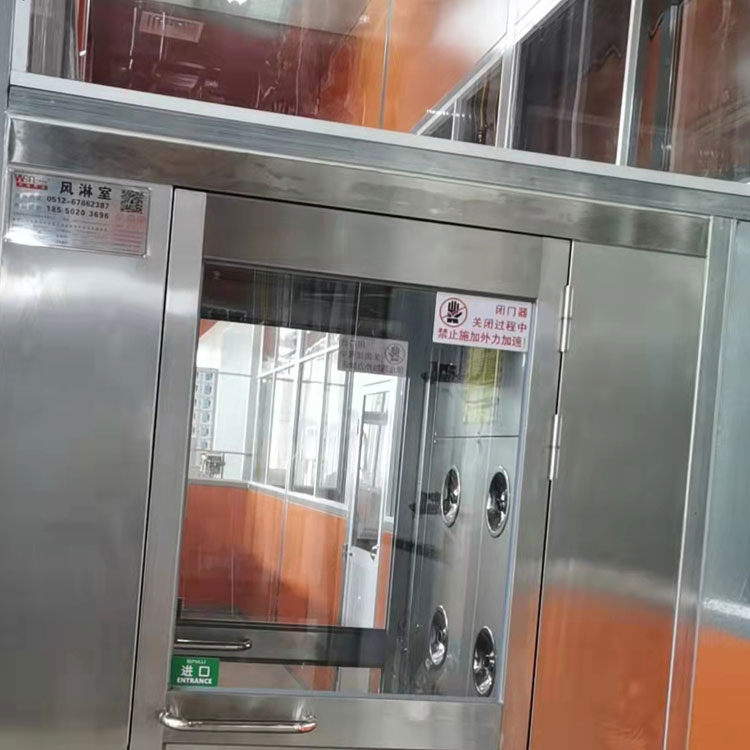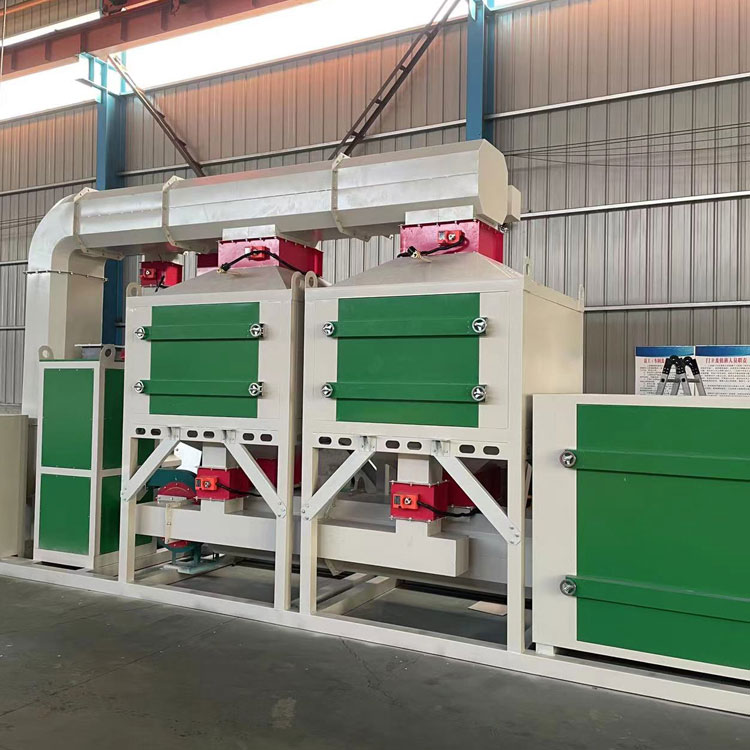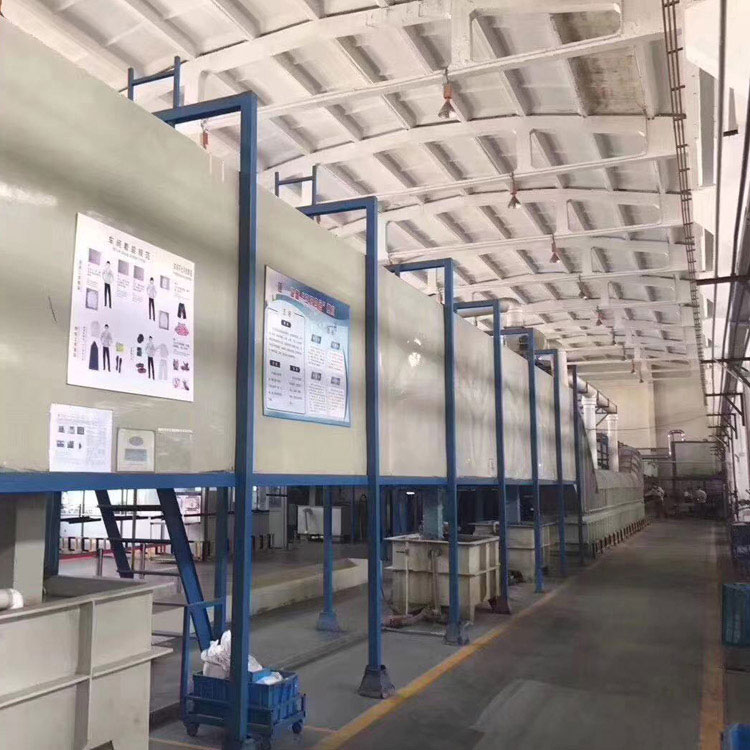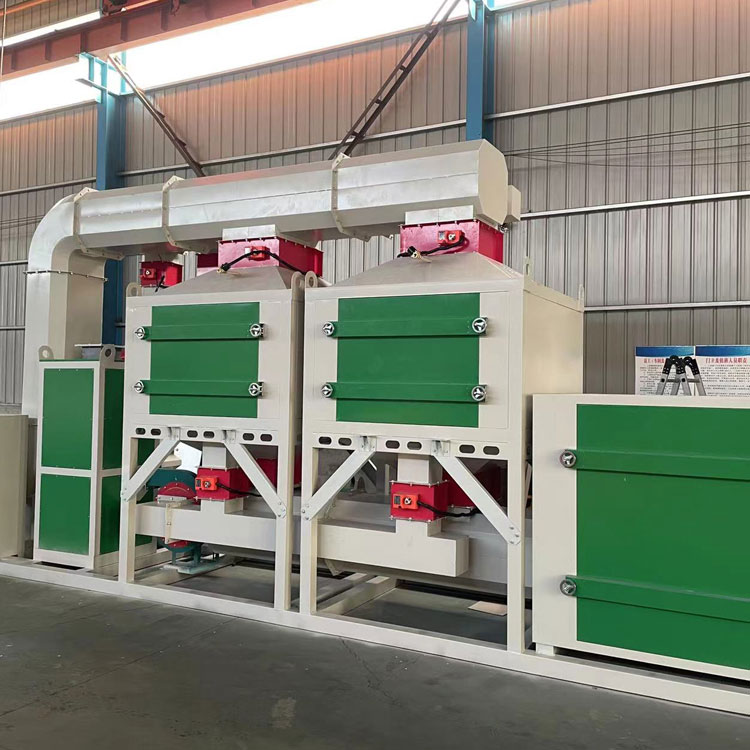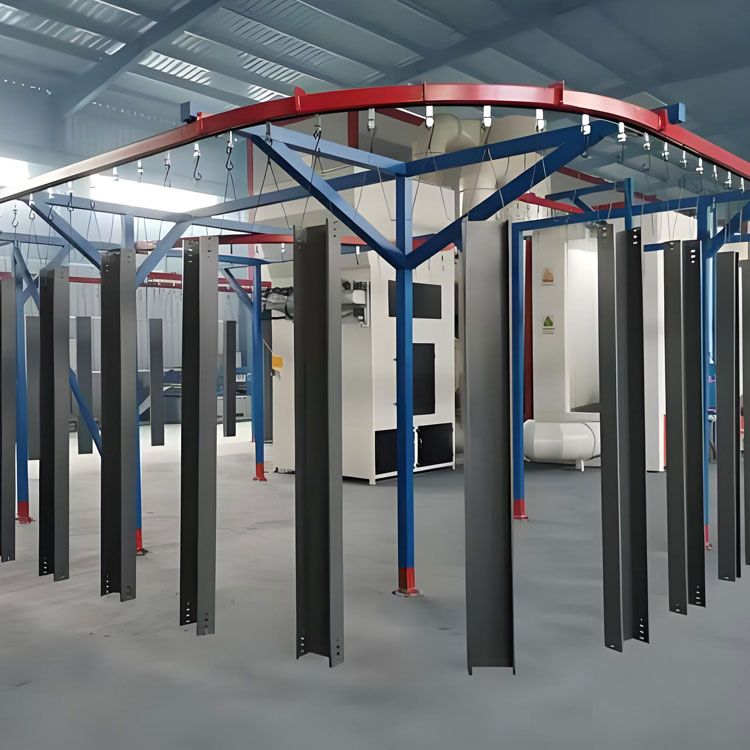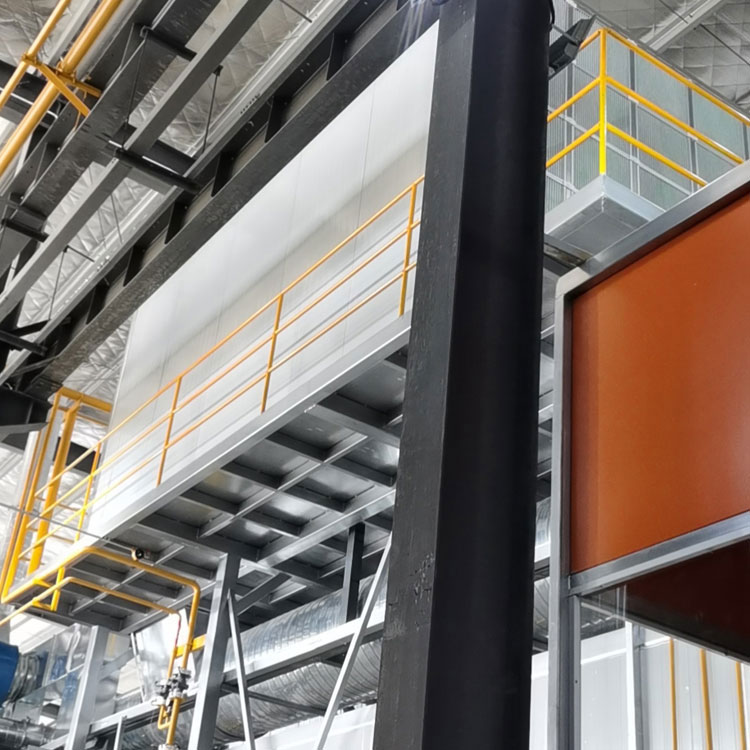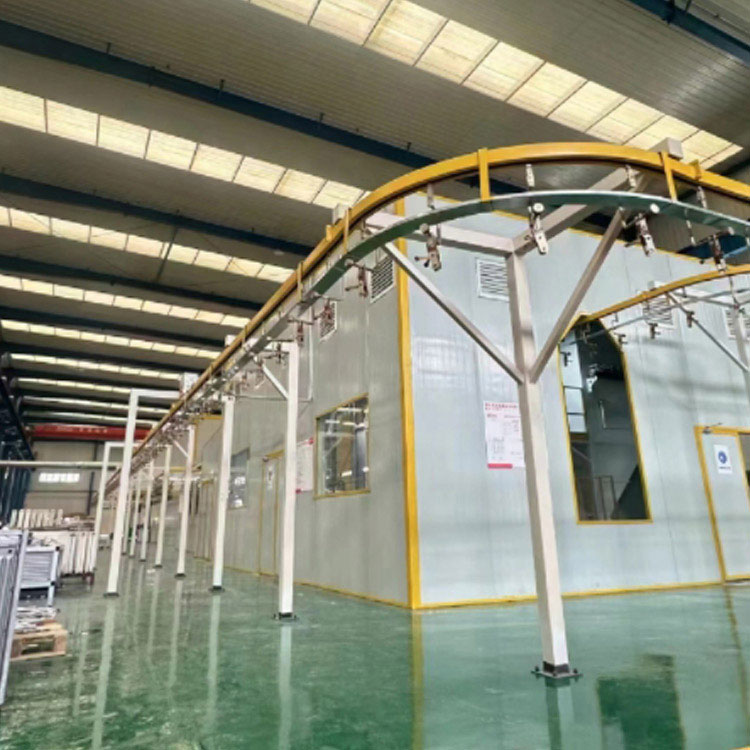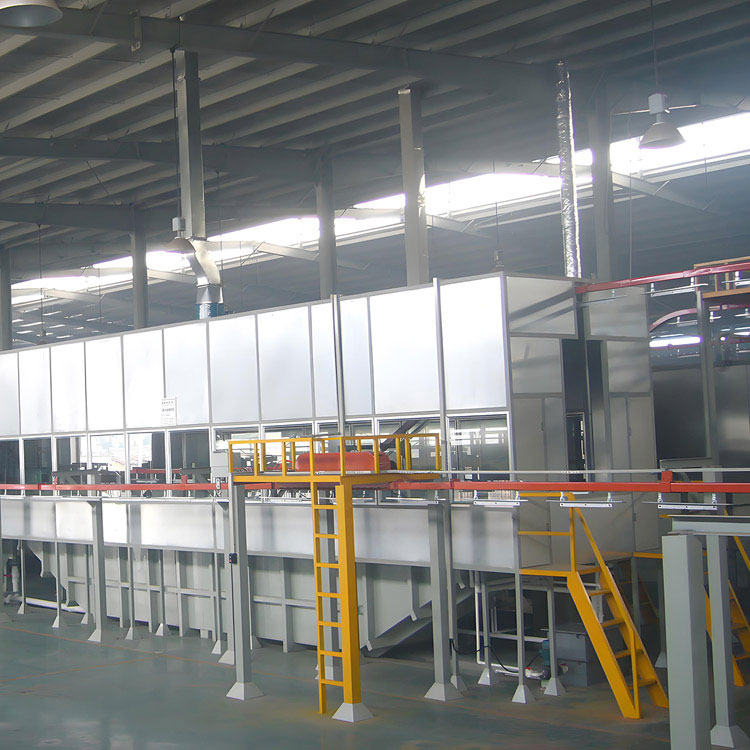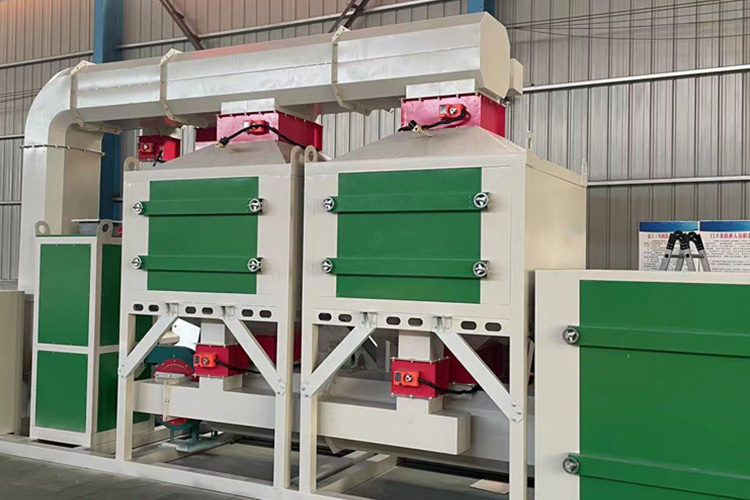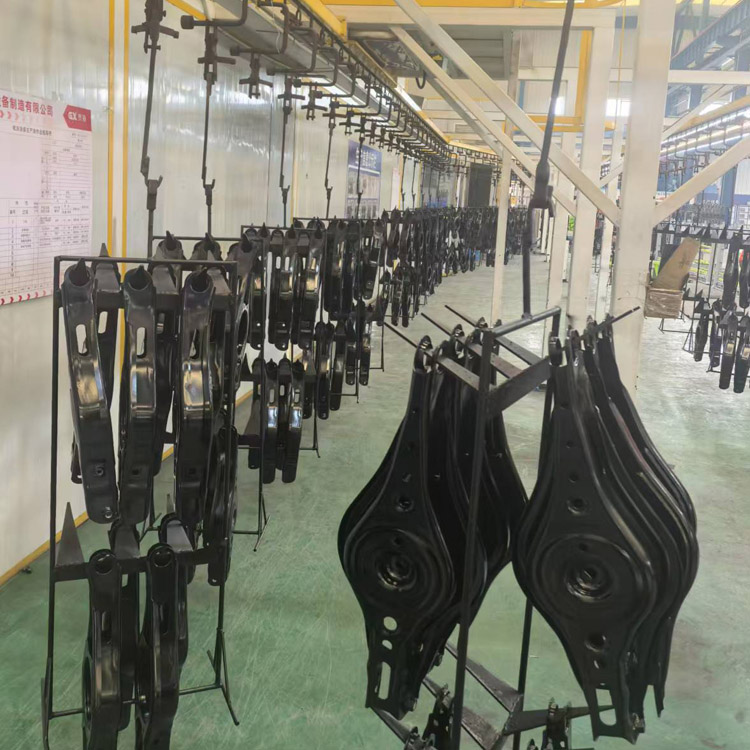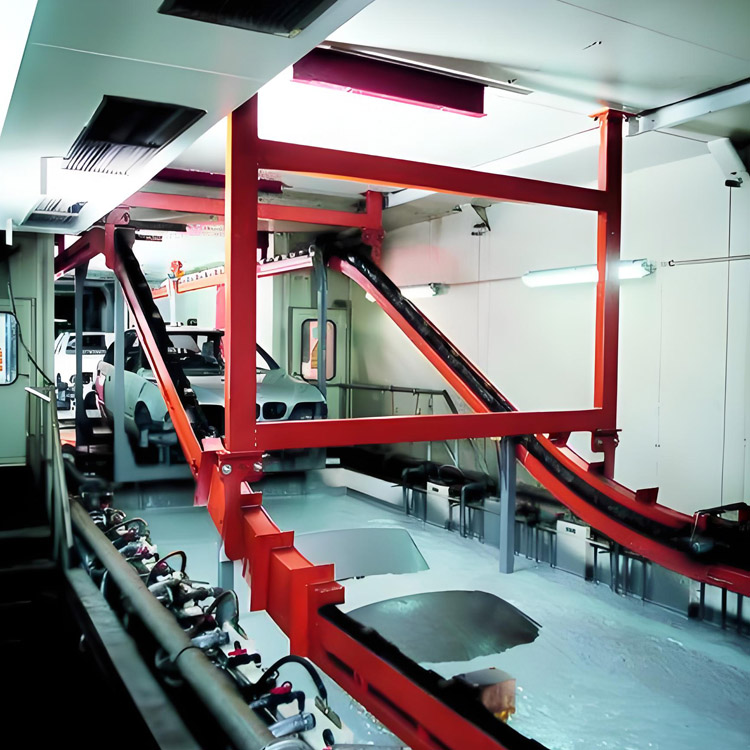

Electrophoretic coating service has become a critical solution for industries seeking superior corrosion resistance, uniform coating, and long-lasting durability. This article explores the technology behind electrophoretic coating, its advantages, application processes, cost considerations, and how Jiangsu Qingguo Intelligent Technology Co., Ltd. delivers high-quality services to meet diverse industrial requirements.
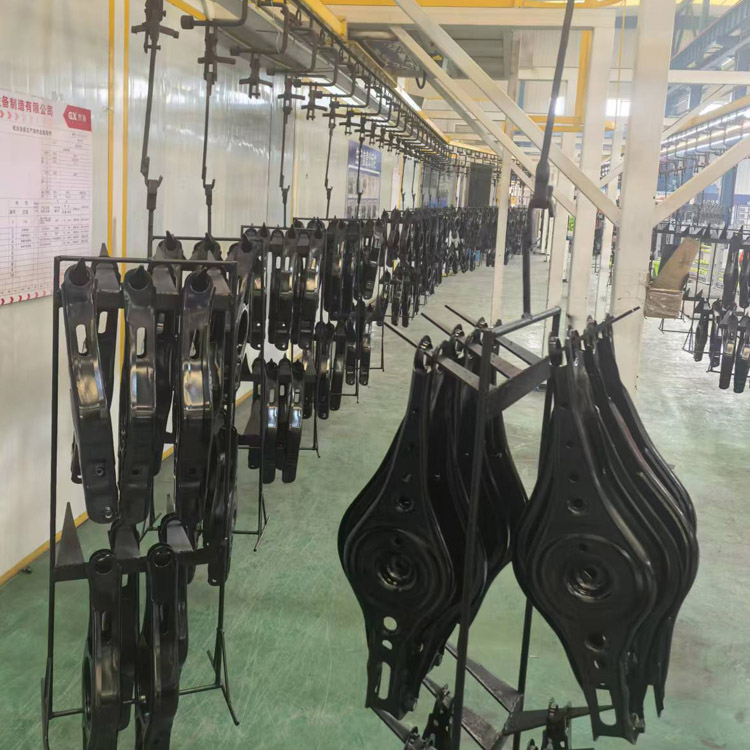
Electrophoretic coating, commonly known as e-coating, is an innovative surface finishing process used to deposit a uniform coating onto metal parts. By using electrical current to move charged particles from a liquid bath onto a conductive surface, the method ensures high adhesion and complete coverage, even in complex geometries. Jiangsu Qingguo Intelligent Technology Co., Ltd. specializes in delivering top-notch electrophoretic coating services with strict quality control, ensuring durability and aesthetic appeal.
This method is increasingly preferred over traditional painting and powder coating techniques because it minimizes waste, enhances corrosion resistance, and ensures a consistent finish.
Electrophoretic coating offers numerous advantages that make it a preferred choice across industries:
| Feature | Benefit |
|---|---|
| Uniform Coating | Complete coverage on complex surfaces |
| Corrosion Resistance | Protects metal components for years |
| Cost Efficiency | Lower material and labor costs |
| Eco-Friendly | Reduces VOC emissions |
| Adhesion Strength | Improves durability of coated products |
The electrophoretic coating process involves several key steps:
Jiangsu Qingguo Intelligent Technology Co., Ltd. ensures each step is optimized for efficiency, consistent thickness, and superior finish quality.
Electrophoretic coating is used across a wide range of industries:
The technology adapts to both small-scale and large-scale production, maintaining consistency and reducing waste across applications.
Understanding the cost structure is essential for businesses considering electrophoretic coating:
| Cost Factor | Description |
|---|---|
| Material Costs | Water-based coating solutions, minimal wastage. |
| Energy Costs | Electric current and curing ovens consumption. |
| Labor | Less manual work required due to automation. |
| Maintenance | Regular bath and equipment maintenance to ensure quality. |
While initial setup costs can be higher than traditional painting, the long-term efficiency, reduced rework, and enhanced durability make electrophoretic coating highly cost-effective.
Common challenges in electrophoretic coating and solutions include:
With careful control of process parameters, Jiangsu Qingguo Intelligent Technology Co., Ltd. consistently delivers high-quality, defect-free coatings.
A: Primarily metal surfaces such as steel, aluminum, and zinc-plated components.
A: Properly applied e-coating can protect surfaces for many years, depending on environmental conditions.
A: Yes, it uses water-based solutions with low VOC emissions.
A: Absolutely. One of the main advantages is uniform coverage on intricate geometries.
A: They offer professional expertise, advanced equipment, and strict quality control for reliable results.
Electrophoretic coating is a versatile, durable, and eco-friendly solution for a wide range of industrial applications. By providing uniform coverage, corrosion resistance, and cost efficiency, it ensures long-term performance and aesthetic appeal. Jiangsu Qingguo Intelligent Technology Co., Ltd. stands out as a trusted provider, delivering high-quality services tailored to client needs.
For more information or to request a customized electrophoretic coating solution, contact us today and experience the professional service and reliability your project deserves.