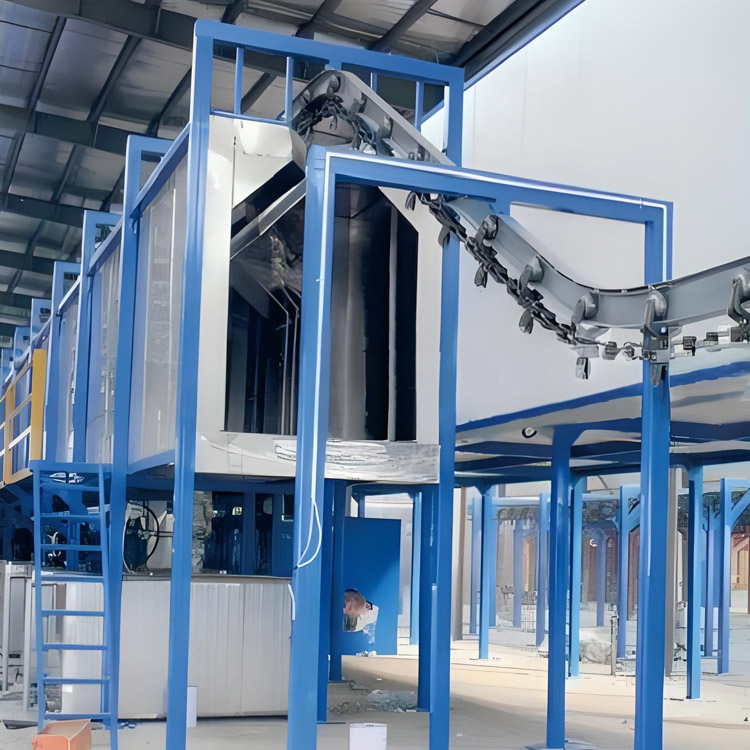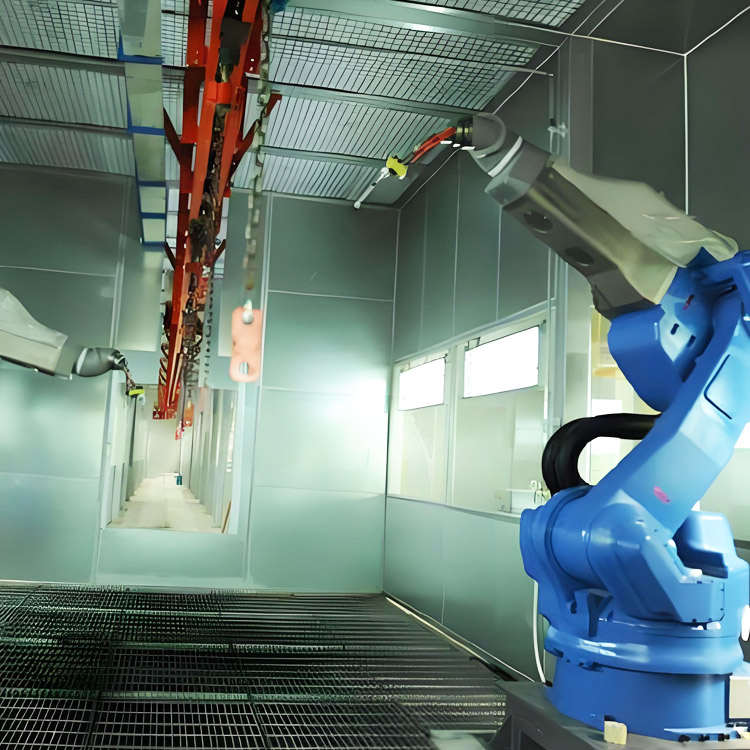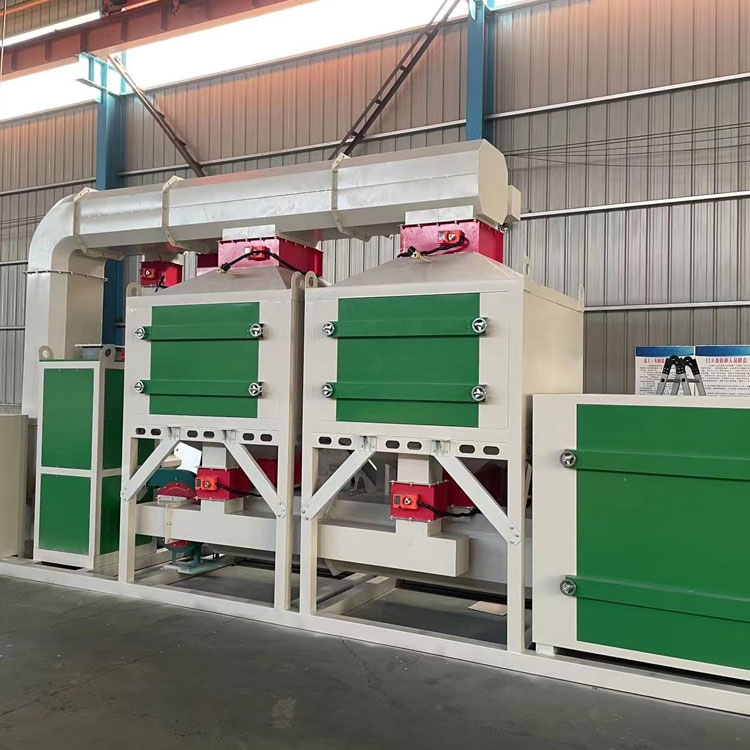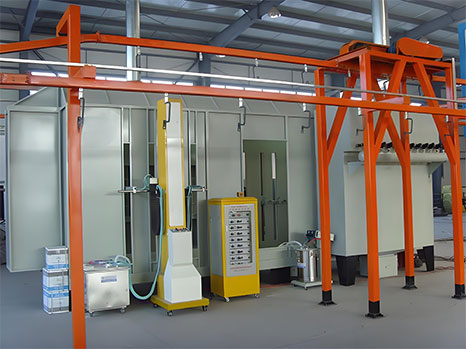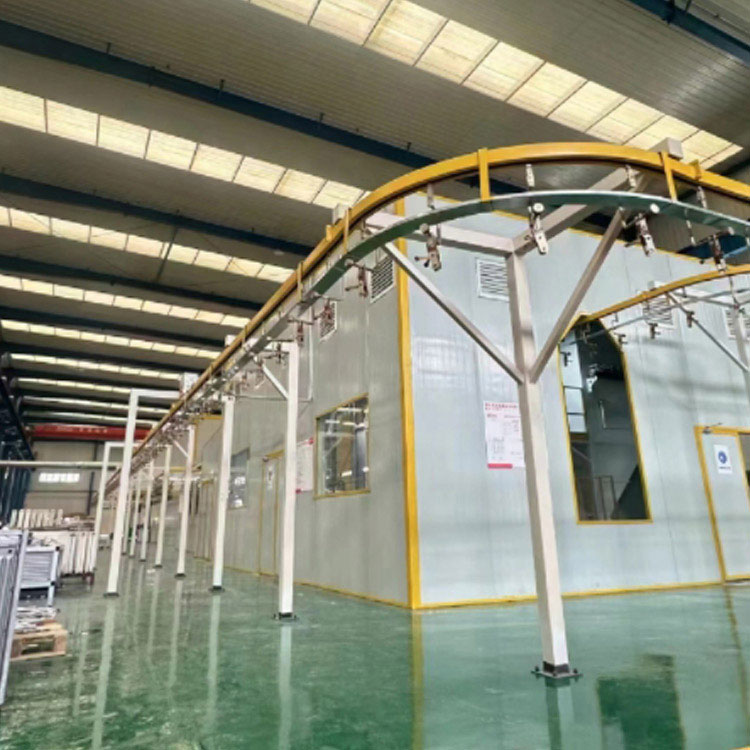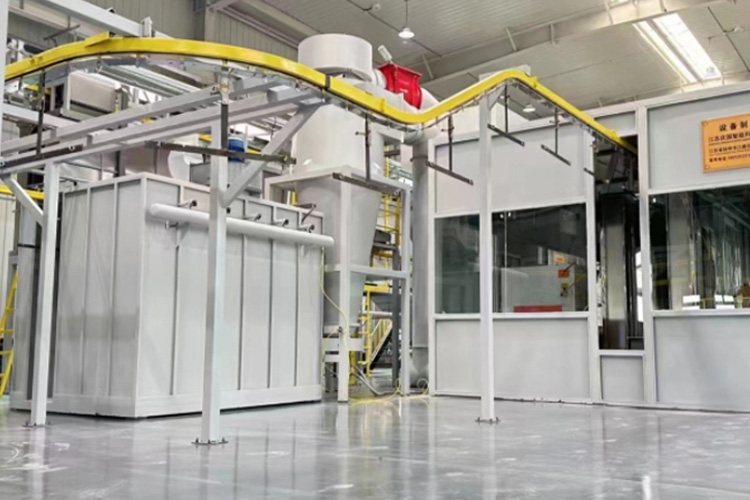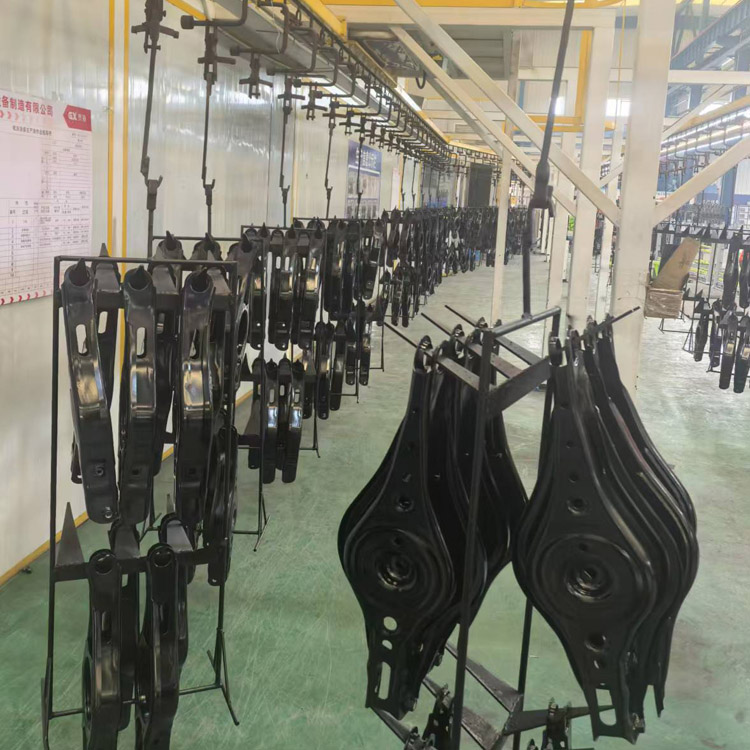

Jiangsu Qingguo Intelligent Technology Co., Ltd.’s Powder Spraying Equipment addresses factory managers’ core concerns behind maximum g/min output: production efficiency, coating finish and cost control.
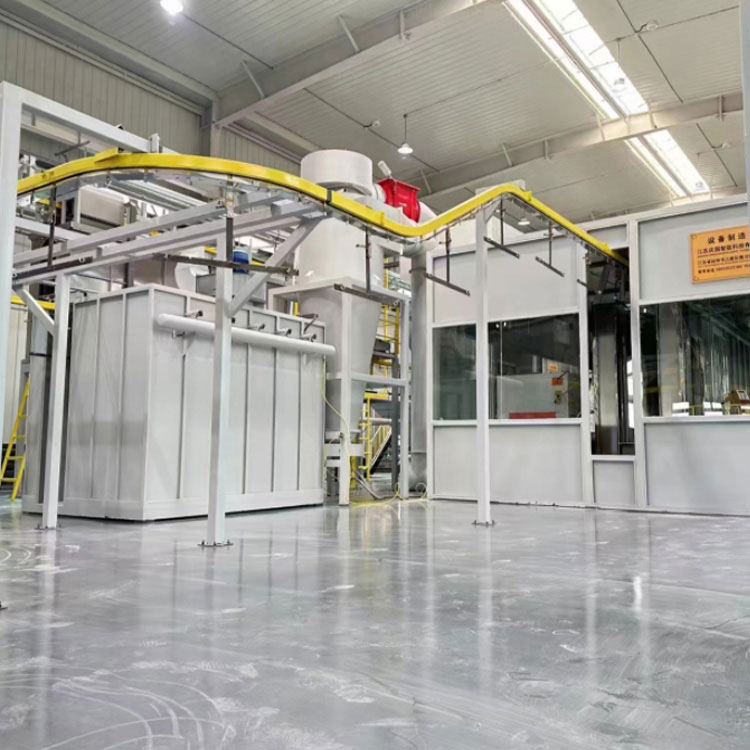
Walk into any coating workshop, and you will hear the same question: "How much powder can your gun deliver per minute?" It seems technical, but behind it lies a practical need. Too low output slows down your line. Too high output wastes material and creates uneven finishes. The right output saves time, reduces waste, and keeps your coating consistent. This guide explains everything you need to know about powder output—without engineering jargon—so you can make informed choices for your production floor.
Powder output, measured in grams per minute (g/min), tells you how much coating material flows from the spray gun to the workpiece. Think of it like a garden hose: too little water pressure won't reach the far flowers; too much pressure washes away the soil. Similarly, the correct powder output ensures every centimeter of your product gets an even coat.
Let's look at three common scenarios:
| Output Setting | Result on Coating | Production Consequence |
| Too low (<150 g/min) | Thin, patchy coating | Rework and respray needed |
| Optimal (150–400 g/min) | Smooth, uniform layer | Consistent quality, less waste |
| Too high (>500 g/min) | Thick, orange-peel texture | Material waste, cleaning downtime |
For example, coating a car wheel rim requires moderate output to cover curves and edges. A flat metal panel for a refrigerator door can handle higher output because the surface is even. Your Spraying Equipment must adapt to both.
Several factors influence how much powder your system can push out:
- Spray gun design: Electrostatic guns with advanced nozzles deliver higher output without losing charge.
- Powder properties: Fine powders flow easily; coarse or clumpy powders clog lines.
- Air supply: Stable compressed air (6–8 bar) is essential for consistent feed.
- Hose length and diameter: Longer hoses reduce output due to friction.
- Recovery system integration: Some output is lost if the recycling unit cannot keep up.
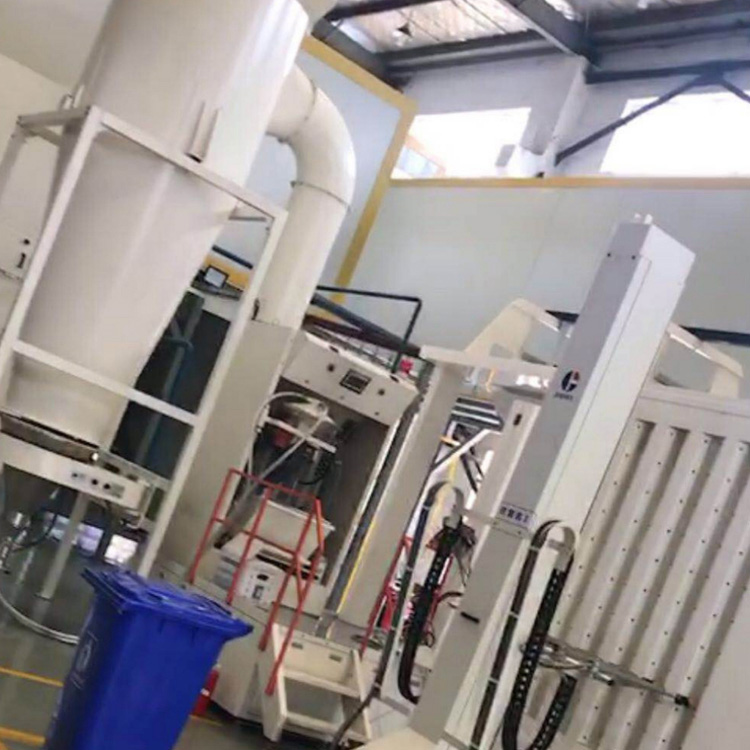
We designs its Powder Spraying Equipment with these variables in mind, ensuring rated maximum output is achievable in real workshop conditions—not just lab tests.
No single output number fits every job. The key is understanding your product profile. Below is a practical guide.
| Industry | Typical Output (g/min) | Reason |
| Automotive body panels | 200–350 | Large flat areas + edges need balance |
| Home appliance shells | 250–400 | High speed lines, smooth surfaces |
| Metal furniture | 150–250 | Intricate shapes, thin coating required |
| Building aluminum profiles | 300–500 | Thick protective coating needed |
| Electronic enclosures | 100–200 | Small parts, precision control |
Imagine a line coating 2,000 refrigerator side panels per shift. Each panel is 1.8 m². With an output of 300 g/min and a traverse speed of 8 m/min, the system deposits about 70–80 g per panel. Too low output (180 g/min) would require slower line speed—reducing daily output by 25%. Too high output (450 g/min) wastes 15–20% of powder to overspray. The "just right" zone saves material and keeps the line moving.
If you change colors every two hours (e.g., custom metal parts), you need a Spraying Equipment with quick-cleaning feed lines and a dual-cyclone recovery system. Maximum output becomes less important than consistent, clean switching. On the other hand, a single-color auto parts line running 24/7 benefits from high-output, filter-type recovery systems with minimal downtime.
Achieving high powder output is useless if the coating quality suffers. Jiangsu Qingguo focuses on three critical components.
The gun must maintain high transfer efficiency even at maximum flow. Our guns use:
- Voltage regulation: 60–100 kV adjustable, so higher powder flow doesn't reduce electrostatic charge.
- Aerodynamic nozzle design: Prevents powder "blasting" that causes uneven patterns.
- Durable electrode: Maintains consistent corona discharge for 500+ operating hours.
Result: At 400 g/min output, you still get >85% first-pass transfer efficiency—meaning most powder sticks, not falls to the reclaim floor.
A common bottleneck is the feed system. If the powder bucket and sieve cannot keep up, the gun "starves" mid-spray. Features that matter:
| Component | Function | Output Impact |
| Fluidized powder bucket | Keeps powder aerated | Prevents bridging, ensures steady flow |
| Vibrating sieve (mesh 120–200) | Removes clumps and debris | Avoids nozzle clogging at high rates |
| Venturi pump | Creates suction to lift powder | Directly sets max possible g/min |
Our supply units are tested to deliver up to 550 g/min continuously with standard epoxy-polyester powders.
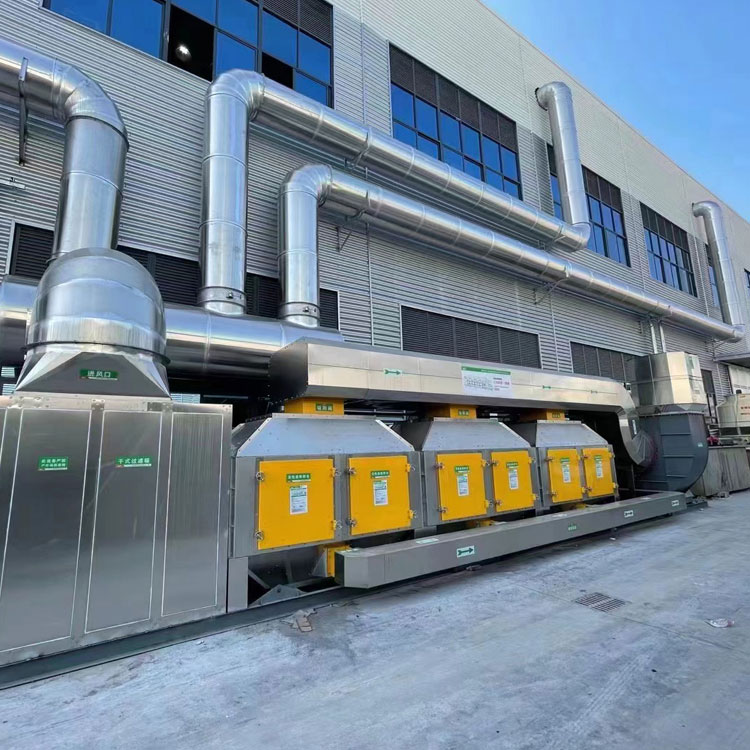
High output generates more overspray. Without an efficient recovery system, you lose material and create dust. Two common designs:
- Filter-type (cartridge): Recovers >99% of overspray. Best for single colors. Output limited only by filter regeneration speed.
- Dual-cyclone: Slightly lower recovery (95–98%) but allows fast color changes. For lines switching colors 4+ times per shift, this is the better match.
For maximum output applications (e.g., 500 g/min), we recommend filter-type with automatic pulse cleaning. This keeps suction strong and recovery consistent.
Even the best equipment encounters issues. Here is what to check when output seems wrong.
Symptoms: Uneven coating thickness, powder clouds varying in density.
Most likely cause: Damp or clumped powder.
Fix: Store powder in climate-controlled area (15–25°C, <60% humidity). Re-sieve recovered powder.
If persists: Check Venturi pump for wear (replace every 1000 hours). Clean powder hose with dry compressed air.
Symptoms: You set the system for 400 g/min but measure only 280 g/min.
Most likely cause: Air pressure drop.
Fix: Verify compressor output at the gun inlet (should be 7–8 bar). Check for kinked or overly long hoses (max 15 m recommended).
If persists: Inspect powder pickup tube for blockages.
Symptoms: Powder blows off the workpiece, heavy overspray.
Most likely cause: Electrostatic voltage too low for the high flow rate.
Fix: Increase voltage (e.g., from 70 kV to 90 kV) OR reduce output to match gun capability. Not all guns can handle >350 g/min at full efficiency.
Running Powder Spraying Equipment at higher outputs increases dust concentration in the booth. This demands stricter safety habits.
At 400 g/min output, a single gun releases about 24 kg of powder per hour. Without proper airflow, dust can reach explosive concentrations (typically >50 g/m³). Your booth must have:
- Air velocity: 0.5–0.8 m/s across openings
- Explosion vents: If using filter recovery
- Grounding: All conductive parts bonded (resistance <1 MOhm)
- Before start: Verify all grounding clamps are attached.
- During first minute of spray: Look for powder escaping the booth seals.
- Every two hours: Tap filter cartridges (if manual cleaning) or check pulse cleaning cycle.
- End of shift: Empty powder bucket, clean sieve, and store unused powder sealed.
- Disassemble and clean the spray gun nozzle and electrode (use non-abrasive brush).
- Inspect powder hoses for internal wear (shine a light through—replace if opaque patches appear).
- Check recovery filters for tears. A small tear allows fine powder to reach the exhaust—wasting material and polluting outside air.
Let's walk through two typical days in different facilities.
Products: 50 different metal brackets, 10–200 pieces per batch. Frequent color changes (5–8 per shift).
Challenge: Maximizing output per gun is less important than fast cleaning between colors.
Solution: Dual-cyclone recovery and a powder supply unit with quick-release bucket. Output set to 220 g/min—moderate but stable.
Result: Color change takes 8 minutes instead of 25. Daily throughput up 30% despite lower per-minute output.
Products: Washing machine outer shells (same white color, 8,000 units/day).
Challenge: Need consistent film thickness (70–90 microns) at high line speed (6 m/min).
Solution: Filter-type recovery, output at 380 g/min, voltage at 85 kV.
Result: First-pass acceptance rate 96.5%. Powder usage reduced by 18% compared to previous system running at 500 g/min (which caused orange peel and rework).
The "maximum" number on a datasheet is not your target—it is a ceiling. Your ideal operating point is lower, where efficiency and quality meet. The right Spraying Equipment gives you a wide stable range, not just a high peak.
So, what is the maximum powder output (g/min) of your Powder Spraying Equipment? For Jiangsu Qingguo Intelligent Technology Co., Ltd., our electrostatic spray guns reach 550 g/min under ideal conditions. But that number is just a reference. What truly matters is how stable the output is at 300 g/min, how cleanly you can change colors, and how much powder actually sticks to your product. The best coating line is not the fastest—it is the most consistent.
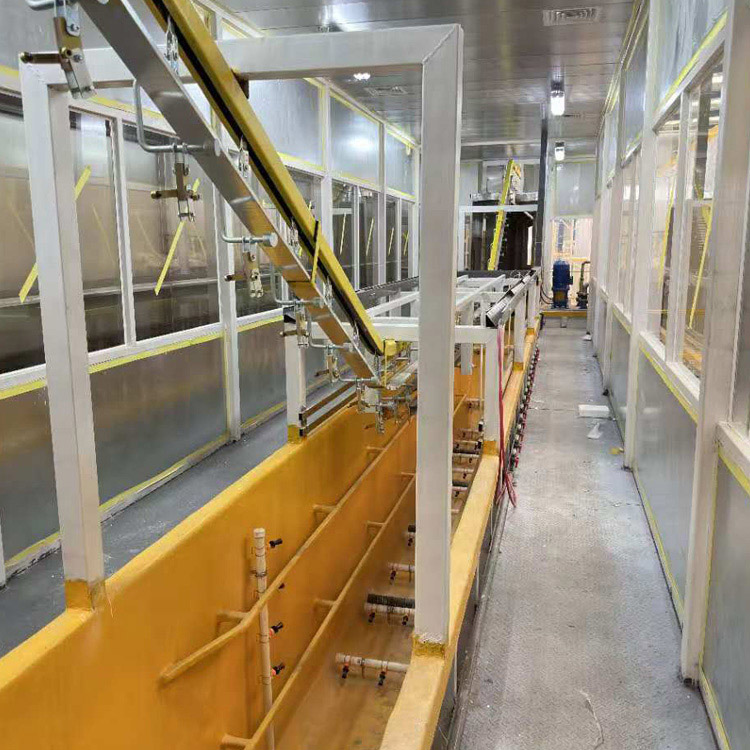
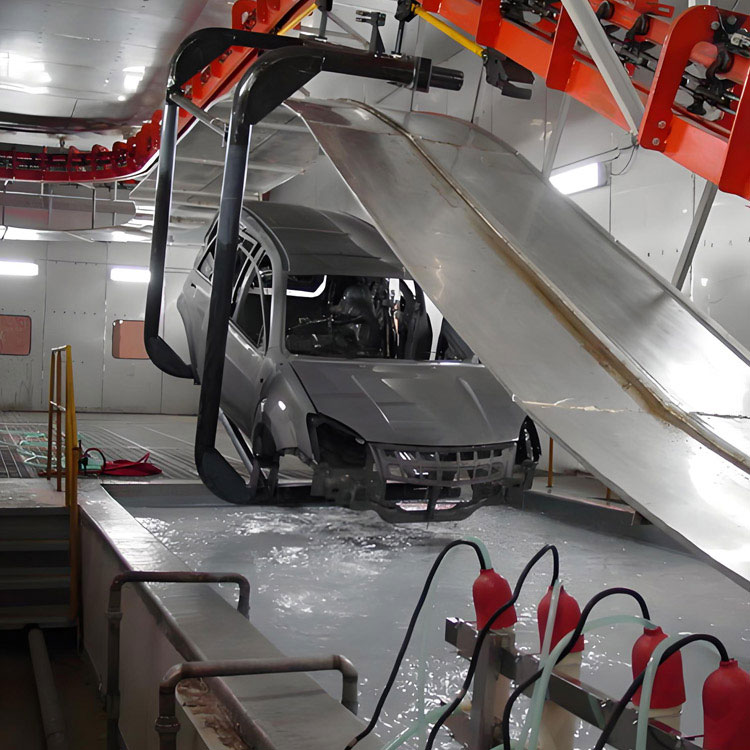
Whether you need a powder spraying unit, an electrophoresis coating line, or a fully automatic painting system, our approach remains the same: understand your daily parts, your color change frequency, and your quality targets. Then we build equipment that delivers the right output—not the highest peak, but the most productive range. That is how hundreds of automotive and home appliance lines have improved their coating operations with our support.