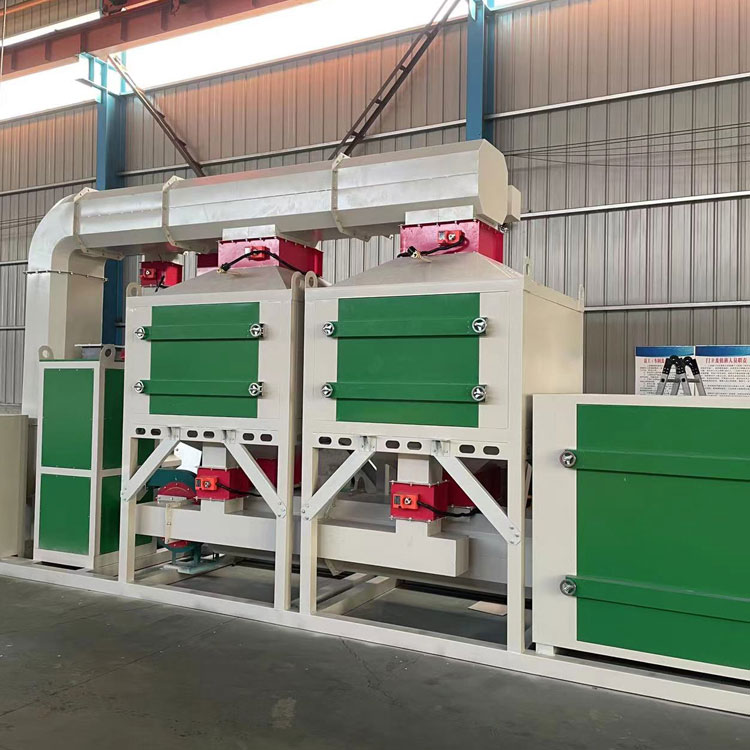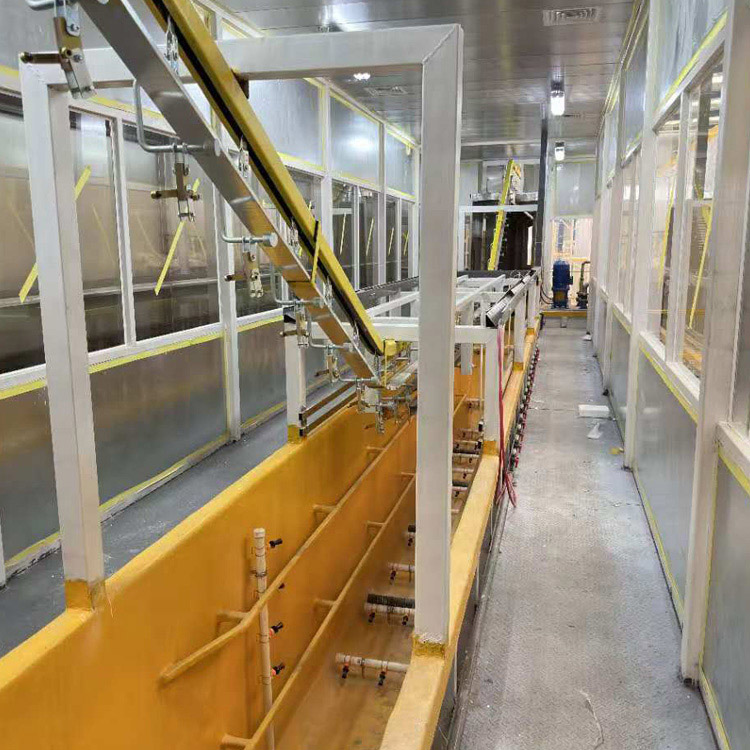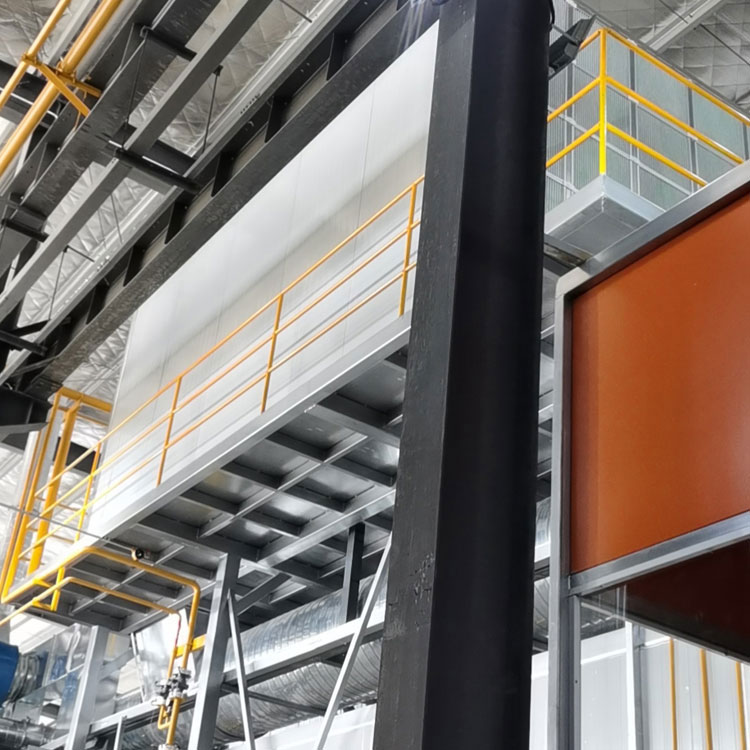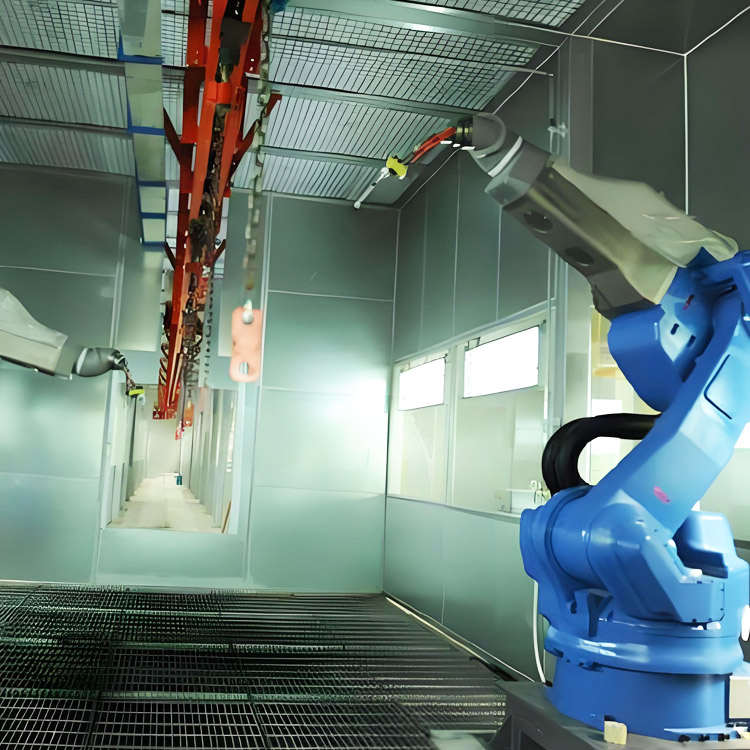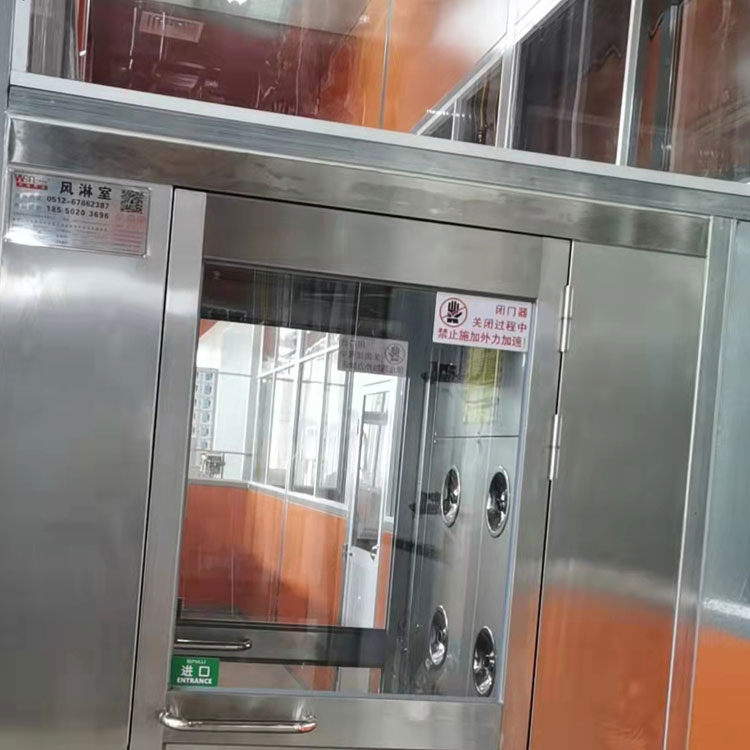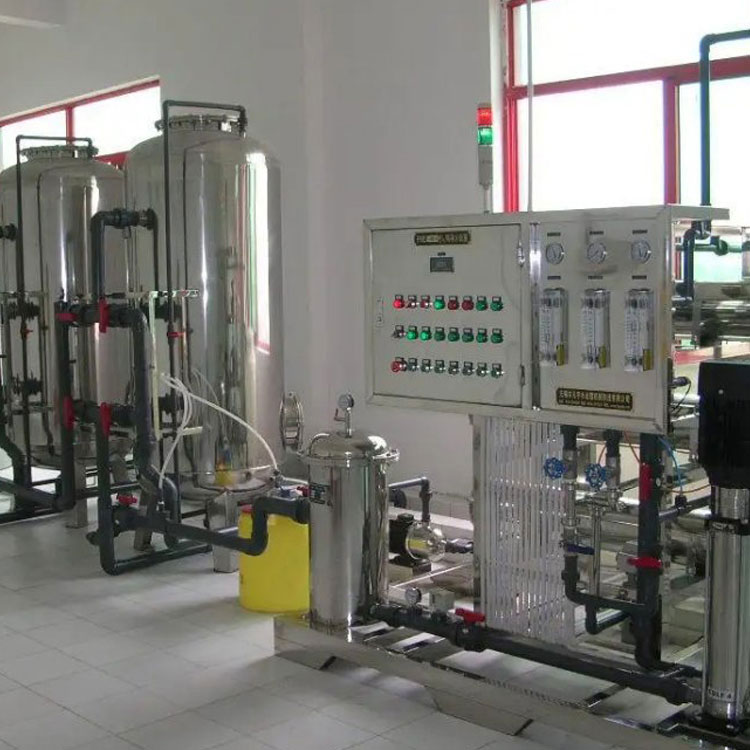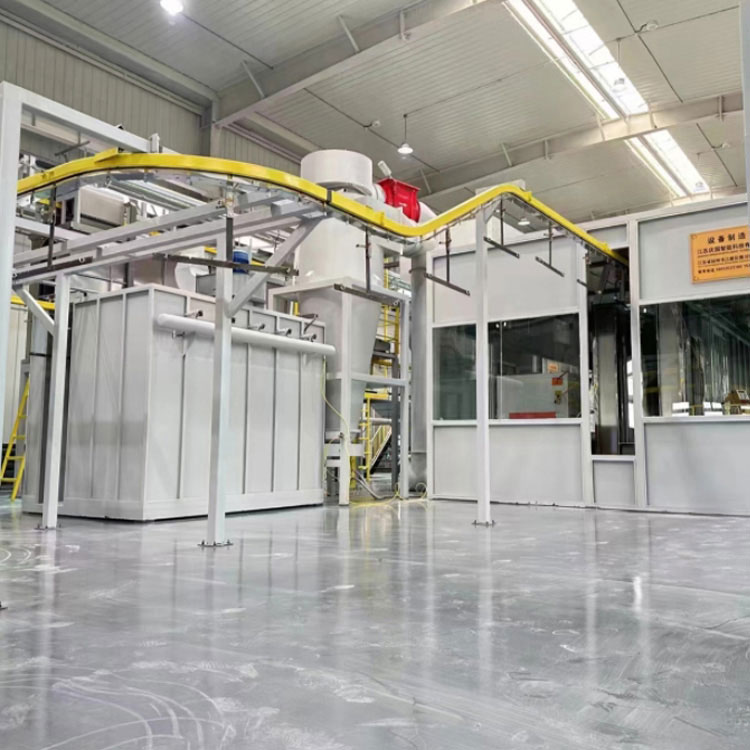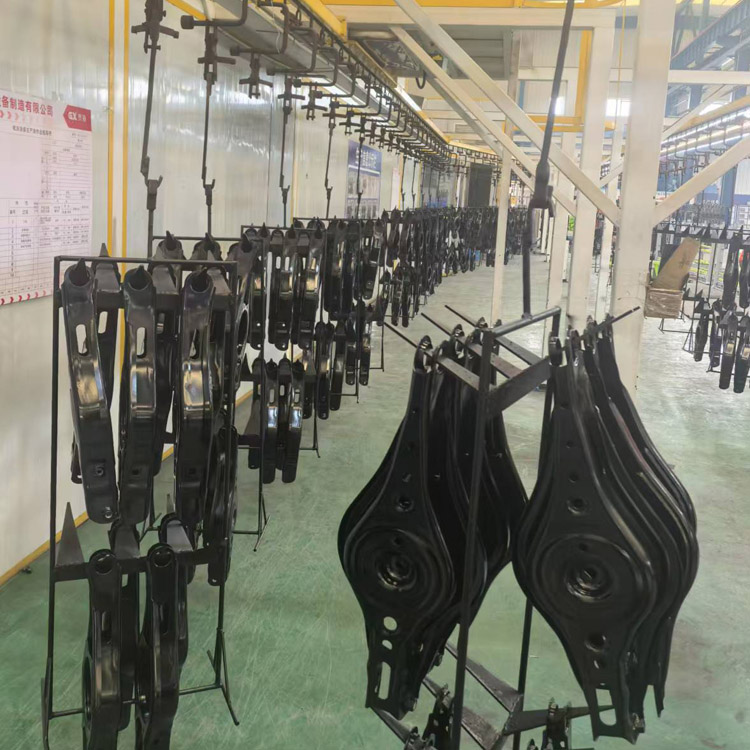

In modern manufacturing, achieving durable, uniform, and corrosion-resistant coatings is a constant challenge. A Coating Electrophoresis Line offers a highly efficient and environmentally friendly solution for industries ranging from automotive to home appliances. This article provides a comprehensive exploration of how electrophoretic coating lines work, their benefits, components, cost considerations, and how to choose the right system. Whether you are upgrading an existing facility or investing in a new production line, this guide will help you make informed decisions.
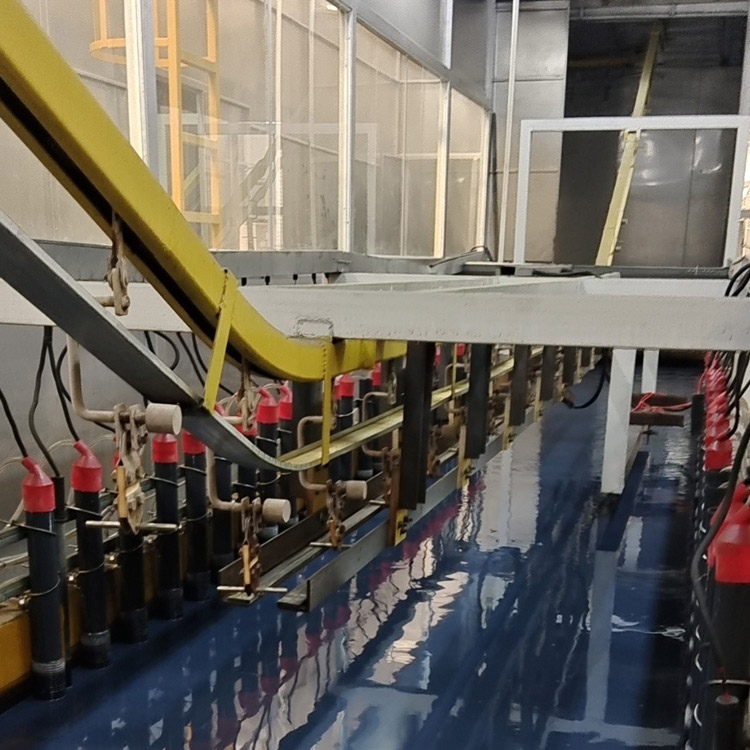
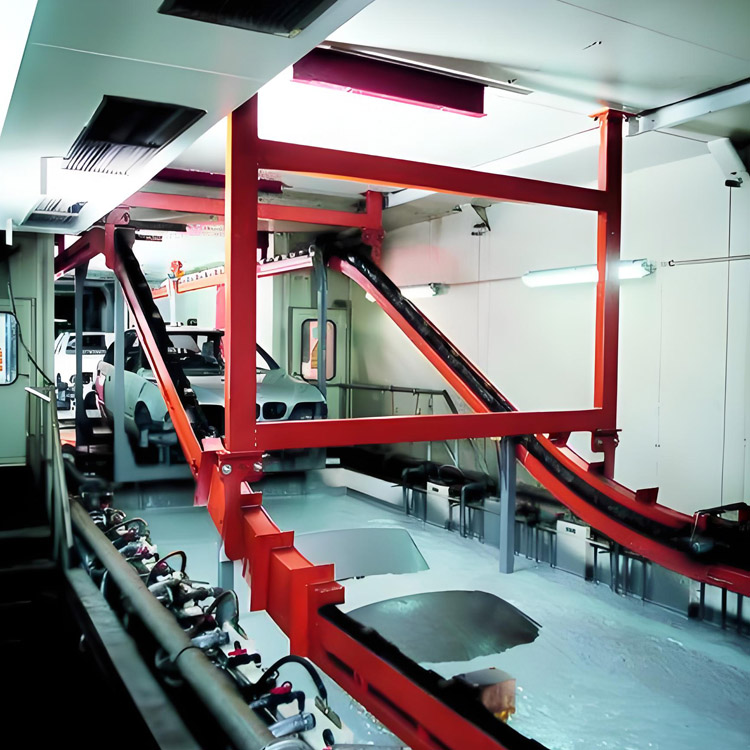
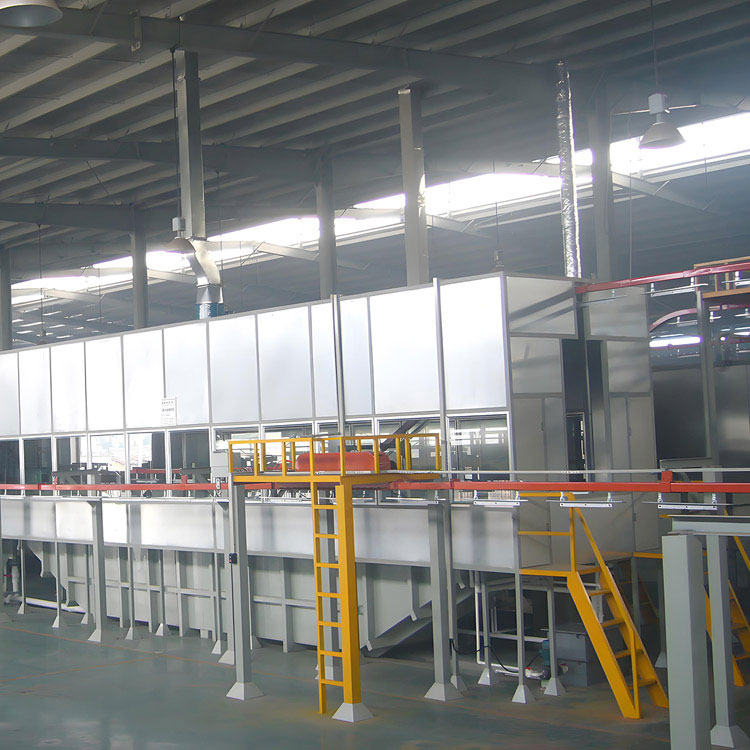
A Coating Electrophoresis Line, also known as an e-coating line, is a highly automated system used to apply protective coatings to metal surfaces through an electrochemical process. Unlike traditional spray coating, this method ensures uniform coverage, even in hard-to-reach areas.
Industries today demand coatings that are not only visually appealing but also highly resistant to corrosion, wear, and environmental factors. Electrophoretic coating addresses these needs while reducing waste and improving efficiency.
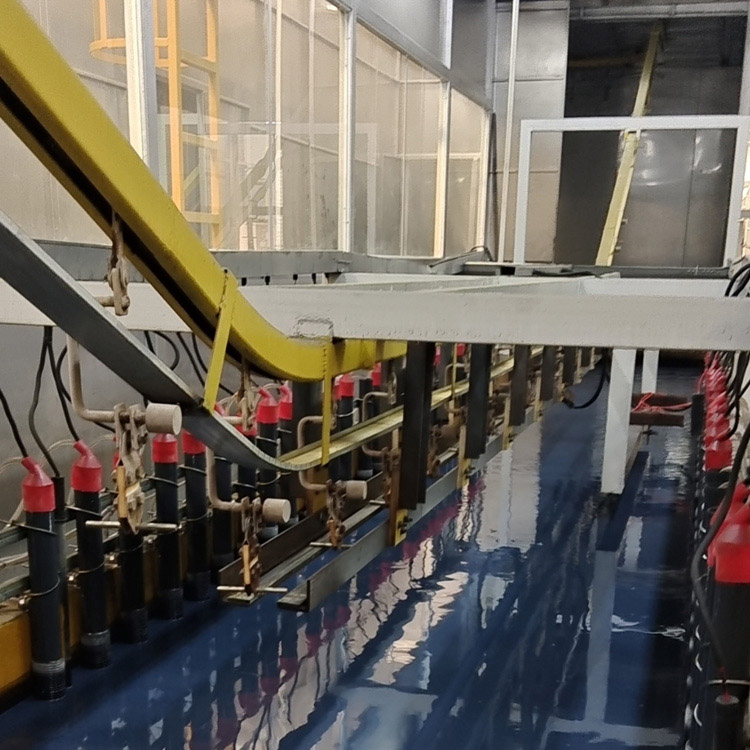
The electrophoresis process involves immersing a conductive object into a water-based paint bath and applying an electric current. The coating particles, which carry an electrical charge, migrate toward the oppositely charged workpiece and deposit evenly on its surface.
This process ensures consistent thickness and superior adhesion compared to conventional methods.
| Component | Function |
|---|---|
| Pre-treatment System | Removes contaminants and prepares the surface |
| Electrophoresis Tank | Main coating bath where deposition occurs |
| Power Supply | Provides electrical current for coating process |
| Ultrafiltration Unit | Recovers excess paint and improves efficiency |
| Drying Oven | Cures the coating for durability |
| Feature | Electrophoresis Coating | Spray Coating |
|---|---|---|
| Coverage | Excellent (360°) | Limited |
| Material Waste | Low | High |
| Automation | High | Moderate |
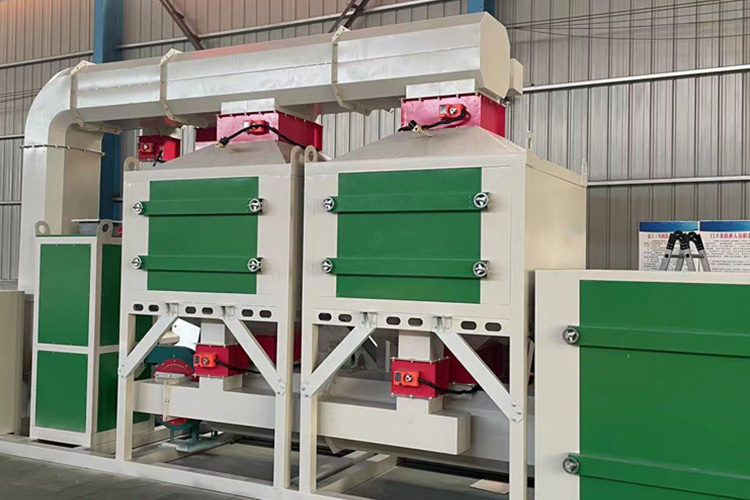
| Environmental Impact | Low | Higher VOC emissions |
Electrophoretic coating lines are widely used in:
The versatility of this technology makes it suitable for both small components and large assemblies.
Investing in a Coating Electrophoresis Line involves several cost considerations:
However, the long-term benefits often outweigh the initial costs due to reduced waste, improved quality, and lower labor requirements.
When selecting a coating electrophoresis line, consider the following:
Working with an experienced manufacturer like Jiangsu Qingguo Intelligent Technology Co., Ltd. ensures that your system is tailored to your specific needs.
Proper maintenance not only extends equipment lifespan but also ensures consistent coating quality.
The future of electrophoretic coating includes:
These innovations will further enhance efficiency and sustainability in manufacturing.
Q1: What materials can be coated using electrophoresis?
A: Primarily conductive metals such as steel, aluminum, and iron.
Q2: Is electrophoretic coating environmentally friendly?
A: Yes, it uses water-based paints and produces minimal emissions.
Q3: How long does the coating last?
A: With proper application, it offers excellent durability and corrosion resistance for many years.
Q4: Can small businesses afford this technology?
A: While the initial investment is higher, scalable solutions are available for different budgets.
Q5: How does it improve product quality?
A: It ensures uniform thickness, better adhesion, and fewer defects.
A Coating Electrophoresis Line is a powerful solution for manufacturers seeking high-quality, efficient, and sustainable surface finishing. By understanding its components, benefits, and applications, businesses can significantly enhance production performance and product durability.
If you are looking to upgrade your coating process or need expert guidance, Jiangsu Qingguo Intelligent Technology Co., Ltd. offers customized solutions tailored to your needs.
Contact us today to learn how we can help you achieve superior coating performance and maximize your production efficiency.