
News

How Does Casting Electrophoretic Coating Production Line Improve Surface Finishing Quality?

2026-05-25 0 Leave me a message

In modern manufacturing, surface finishing quality is no longer a secondary concern—it is a decisive factor that affects durability, corrosion resistance, product appearance, and long-term performance. A Casting Electrophoretic Coating Production Line has become one of the most efficient and stable solutions for achieving uniform, high-performance coating results on casted metal parts. This article explores how the system works, its core components, benefits, technical challenges, maintenance strategies, and industry applications. It also provides a practical guide for manufacturers seeking to optimize coating consistency, reduce defects, and improve production efficiency while controlling operational costs.

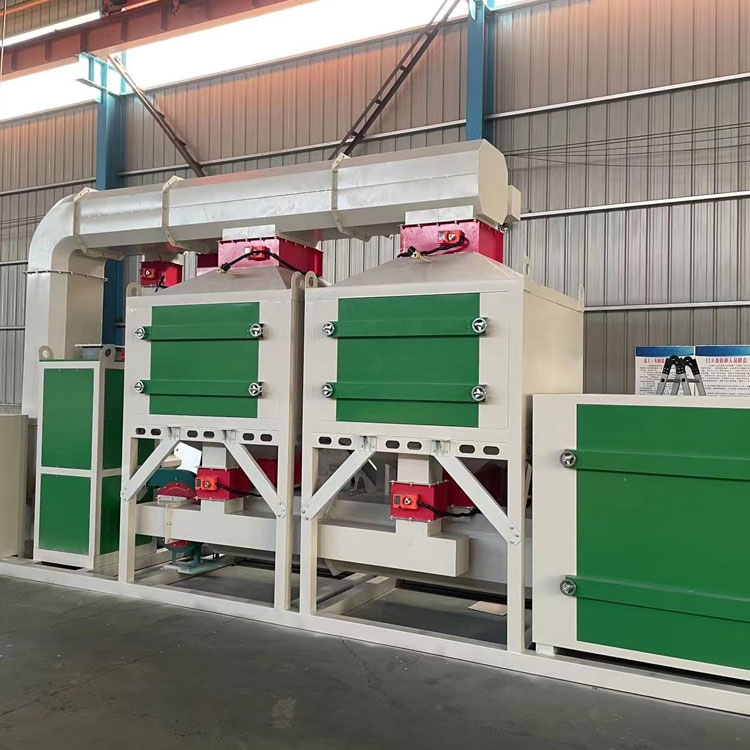
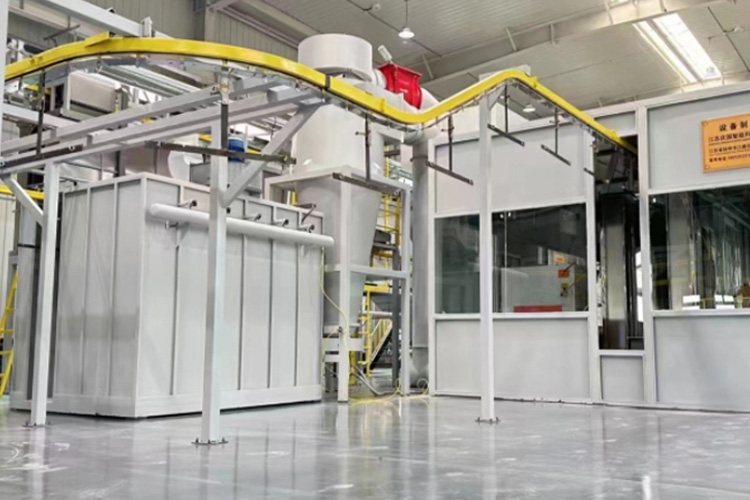
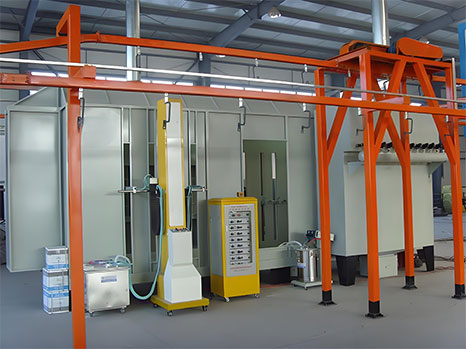
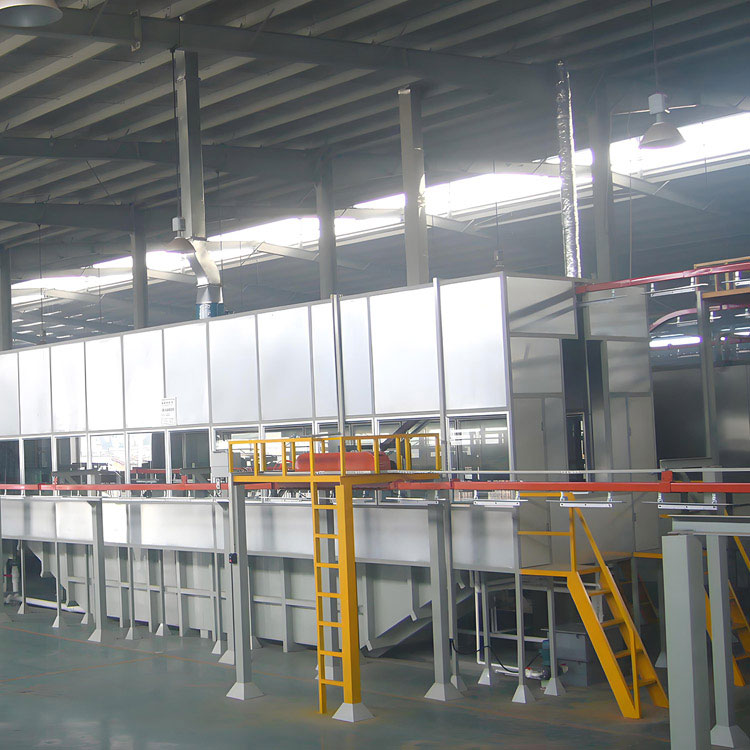
Casting Electrophoretic Coating Production Line


Table of Contents


1. Introduction: Why Surface Finishing Matters

In industries such as automotive manufacturing, construction machinery, aerospace components, and heavy equipment production, surface finishing plays a critical role in determining the lifespan and reliability of metal parts. Casted components, in particular, often contain irregular surfaces, micro-porosity, and structural inconsistencies that make coating adhesion more challenging.

Traditional spray painting or manual coating methods often fail to deliver uniform coverage, especially in complex geometries. This leads to issues such as peeling, corrosion, uneven thickness, and reduced durability.

A Casting Electrophoretic Coating Production Line addresses these challenges by providing a fully controlled electrochemical deposition process that ensures consistent coating penetration, even in recessed or complex structures.


2. What Is a Casting Electrophoretic Coating Production Line?

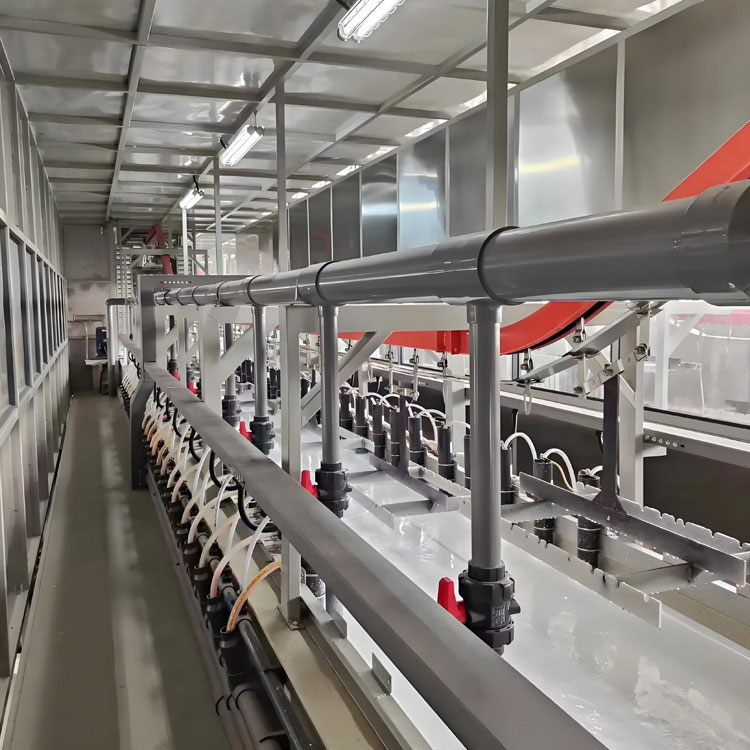
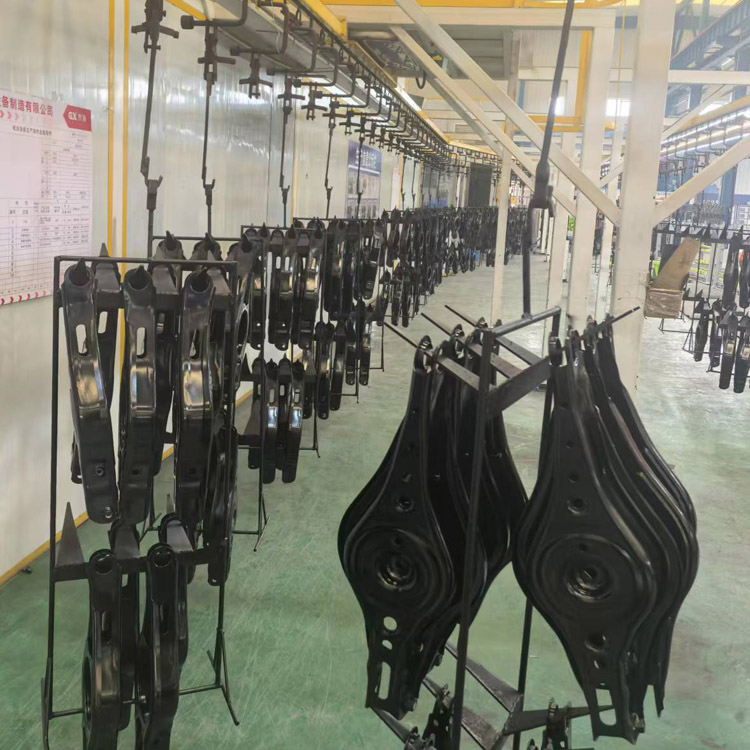
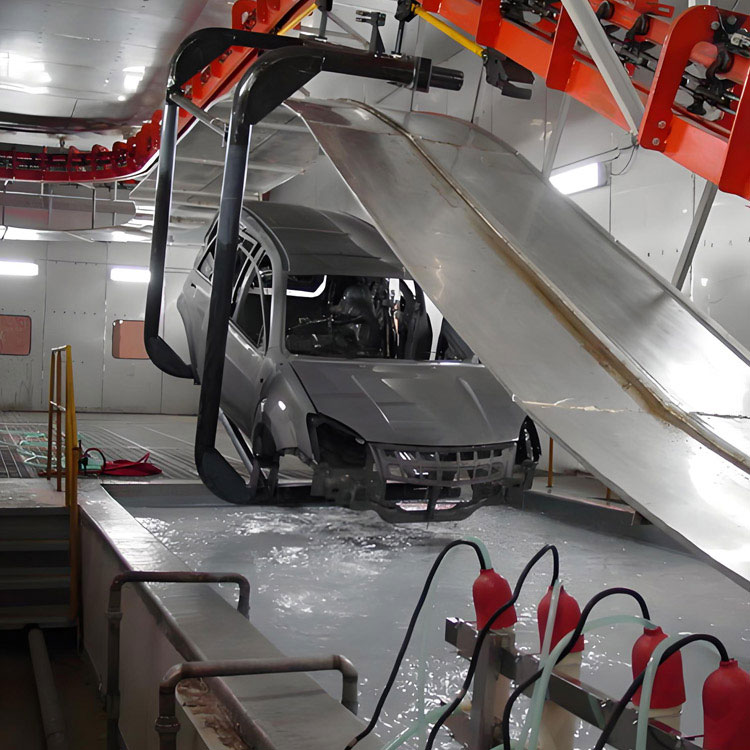
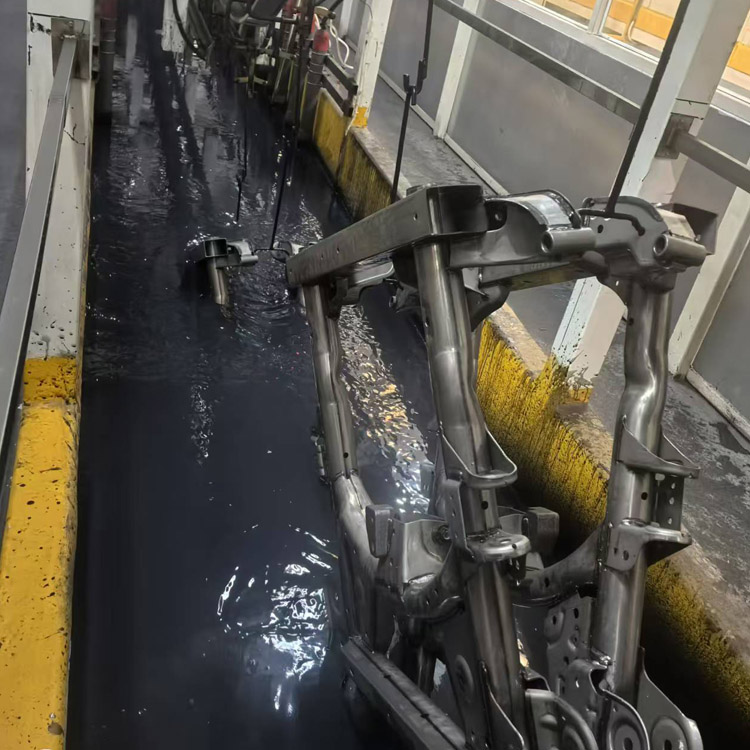
A Casting Electrophoretic Coating Production Line is an automated industrial system designed to apply protective coatings to cast metal parts using electrophoresis technology. It uses electric current to deposit paint particles onto conductive surfaces, forming a uniform protective layer.

This system is widely used for treating cast iron, aluminum alloys, steel components, and other conductive materials that require corrosion resistance and aesthetic finishing.

Compared to traditional coating methods, this production line ensures deeper penetration into cavities and internal structures, making it ideal for complex castings.


3. Working Principle of Electrophoretic Coating

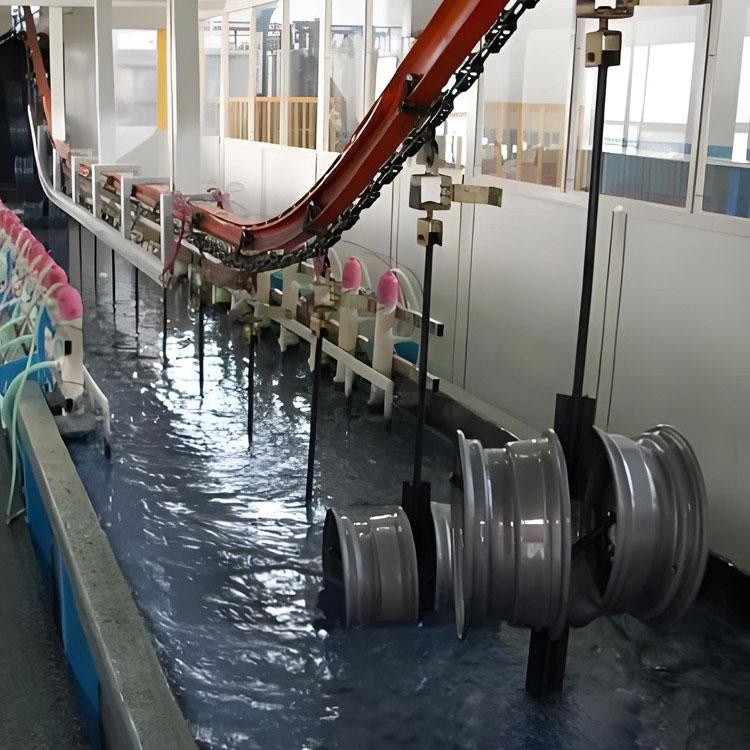
The electrophoretic coating process is based on electrochemical principles. When a voltage is applied between the workpiece (cathode or anode) and the coating bath, charged paint particles move toward the surface and deposit evenly.

The process can be summarized as follows:

  • Workpiece is cleaned and pre-treated to remove oil, rust, and impurities
  • It is immersed into an electrophoretic coating tank
  • Electric current is applied
  • Paint particles migrate and deposit evenly on the surface
  • Parts are rinsed and cured in a drying oven

This method ensures precise thickness control and excellent adhesion strength.


4. Key Components and System Structure

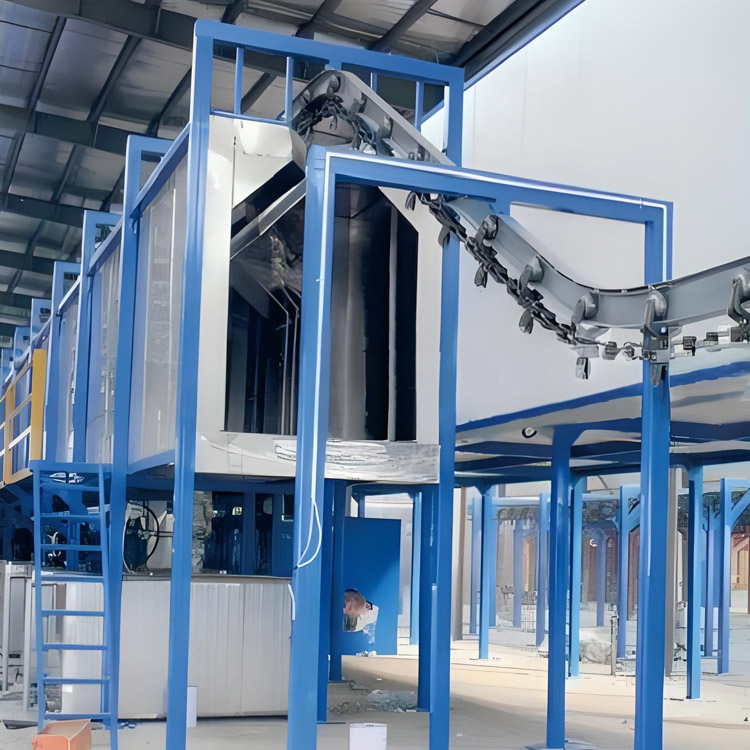
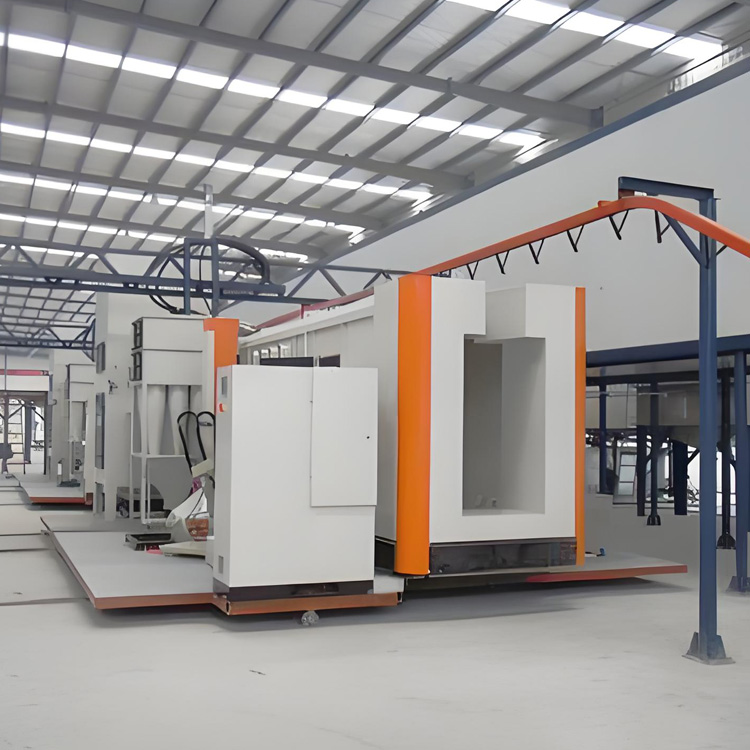
A complete Casting Electrophoretic Coating Production Line consists of multiple interconnected systems that ensure smooth operation and high-quality output.

Component Function
Pre-treatment System Removes contaminants and prepares surface for coating
Electrophoretic Tank Main coating chamber where deposition occurs
Power Supply System Provides controlled electrical current
Ultrafiltration System Maintains coating bath stability and purity
Rinsing System Removes excess coating material
Curing Oven Hardens coating layer through controlled heating
Conveyor System Automates movement of workpieces

5. Production Process Workflow

The workflow of a casting electrophoretic coating system is highly automated and follows strict sequencing:

  1. Loading of cast components onto conveyor system
  2. Degreasing and cleaning in pre-treatment tanks
  3. Water rinsing and surface conditioning
  4. Electrophoretic coating deposition
  5. Ultrafiltration rinsing
  6. Curing in high-temperature oven
  7. Cooling and unloading

Each step is carefully controlled to ensure coating consistency and structural integrity.


6. Major Advantages for Manufacturers

Implementing a Casting Electrophoretic Coating Production Line offers significant operational and quality benefits:

  • Uniform coating thickness across complex surfaces
  • Excellent corrosion resistance performance
  • Reduced material waste and environmental impact
  • High automation reduces labor dependency
  • Improved adhesion strength compared to traditional painting
  • Consistent product quality for mass production

7. Common Challenges and Solutions

Challenge Cause Solution
Uneven coating thickness Improper voltage control Optimize power supply settings
Poor adhesion Inadequate surface cleaning Improve pre-treatment process
Bath contamination Filtration failure Maintain ultrafiltration system regularly
Color inconsistency Improper paint mixing Standardize chemical ratios

8. Industry Applications

This technology is widely used in multiple industries where durability and surface protection are essential.

  • Automotive chassis and engine parts
  • Agricultural machinery components
  • Construction equipment frames
  • Electric motor housings
  • Industrial metal structures
  • Railway and transportation systems

9. Maintenance and Operational Best Practices

Regular maintenance ensures stable performance and extends system lifespan. Recommended practices include:

  • Routine cleaning of coating tanks
  • Monitoring pH and conductivity levels
  • Regular inspection of power supply systems
  • Maintaining filtration and circulation systems
  • Scheduled replacement of consumable components
10. Cost and Efficiency Considerations

Although initial investment in a Casting Electrophoretic Coating Production Line may be relatively high, long-term operational savings are significant.

Reduced paint waste, lower labor costs, and improved production efficiency contribute to faster return on investment. Additionally, consistent coating quality reduces product rejection rates.


11. Future Development Trends

The future of electrophoretic coating systems is moving toward smarter automation, energy efficiency, and environmental sustainability.

  • Integration with AI-based monitoring systems
  • Low-energy curing technologies
  • Eco-friendly coating materials
  • Fully automated smart factories

12. Frequently Asked Questions

Q1: What materials can be coated using this system?
It is suitable for conductive materials such as cast iron, steel, and aluminum alloys.

Q2: Is electrophoretic coating environmentally friendly?
Yes, it produces minimal waste and uses water-based coatings with low emissions.

Q3: How thick is the coating layer?
Typically between 15–35 microns depending on process parameters.

Q4: Can it handle complex shapes?
Yes, it excels in coating internal cavities and irregular geometries.


13. Conclusion and Contact Information

A Casting Electrophoretic Coating Production Line represents a highly efficient and reliable solution for modern surface finishing challenges. By combining automation, electrochemical precision, and advanced process control, manufacturers can achieve superior coating quality while improving productivity.

For enterprises seeking to upgrade their coating capabilities and enhance production efficiency, advanced system integration is essential.

Jiangsu Qingguo Intelligent Technology Co., Ltd. provides professional solutions in intelligent coating production lines, helping manufacturers achieve stable, high-quality, and cost-effective surface treatment results.

If you are interested in upgrading your production system or learning more technical details, please contact us to explore customized solutions for your business.

Related News
Leave me a message
X
We use cookies to offer you a better browsing experience, analyze site traffic and personalize content. By using this site, you agree to our use of cookies. Privacy Policy
Reject Accept