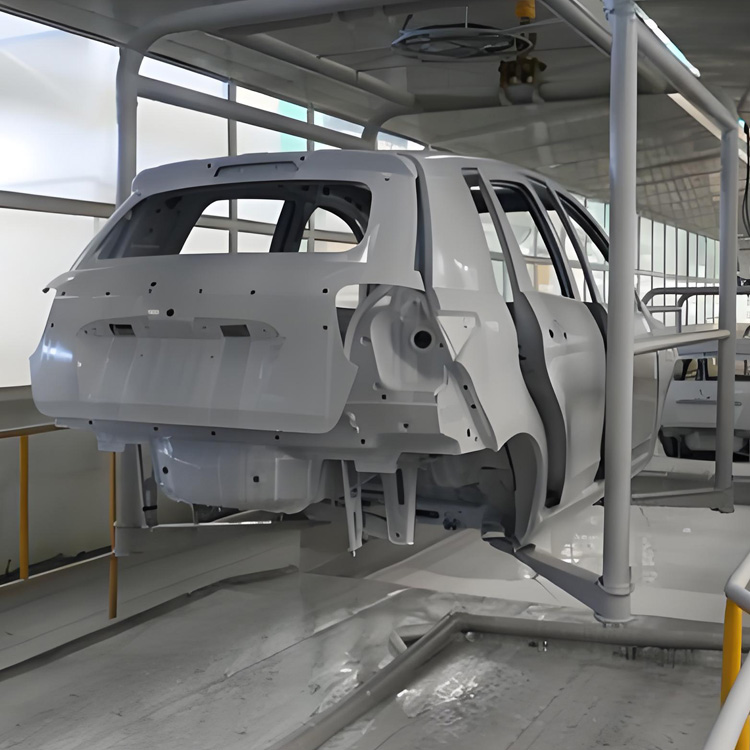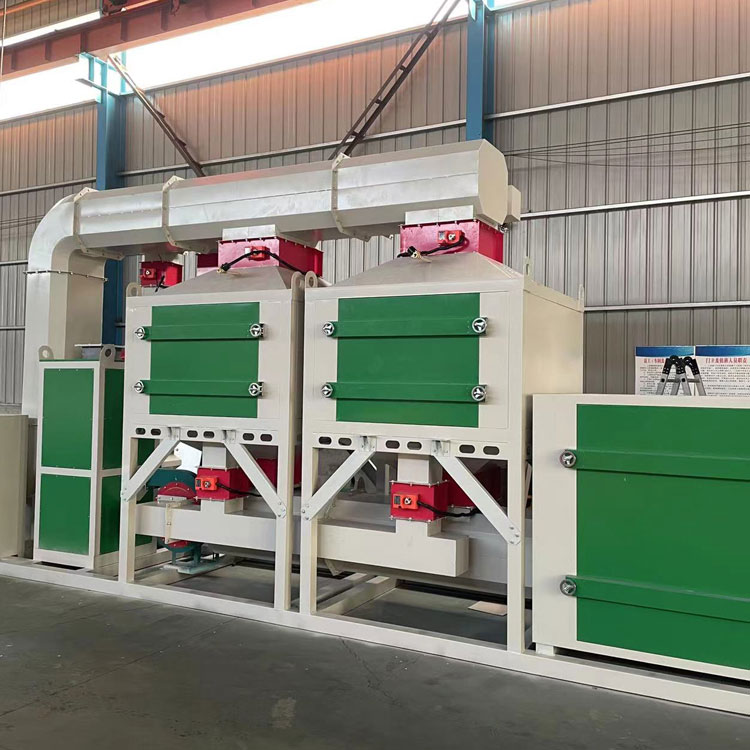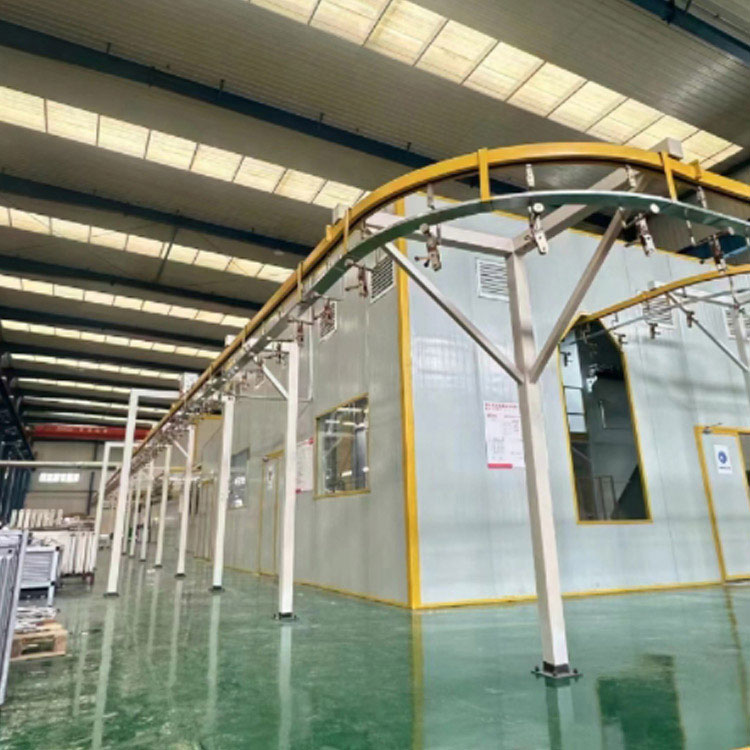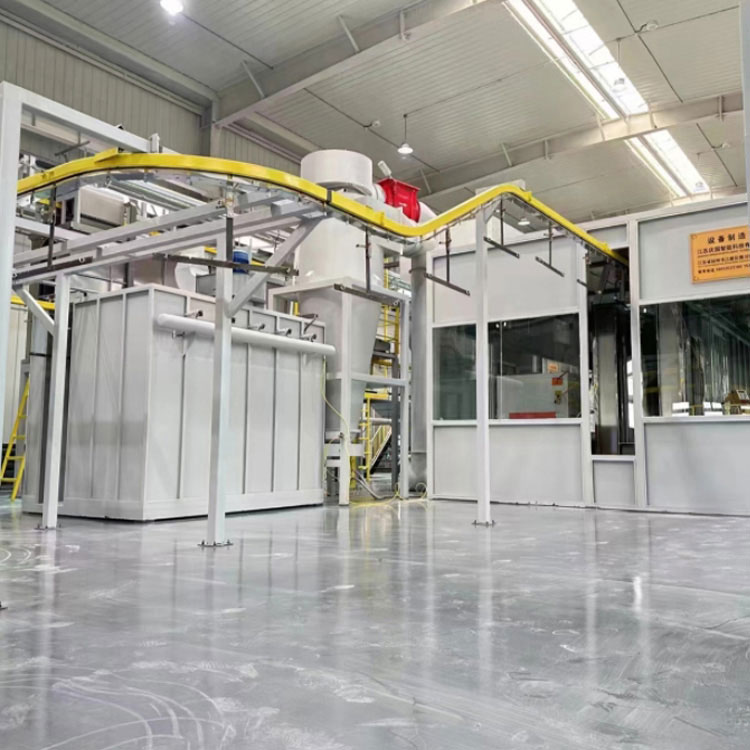



This article explains how an electrophoretic coating production line works, from pretreatment and electro-deposition to rinsing, curing, and quality inspection. It explores the main equipment, important process parameters, common production challenges, and practical considerations for manufacturers serving North and South American markets. It also outlines how to evaluate a coating line according to product requirements, factory conditions, and long-term operating costs.
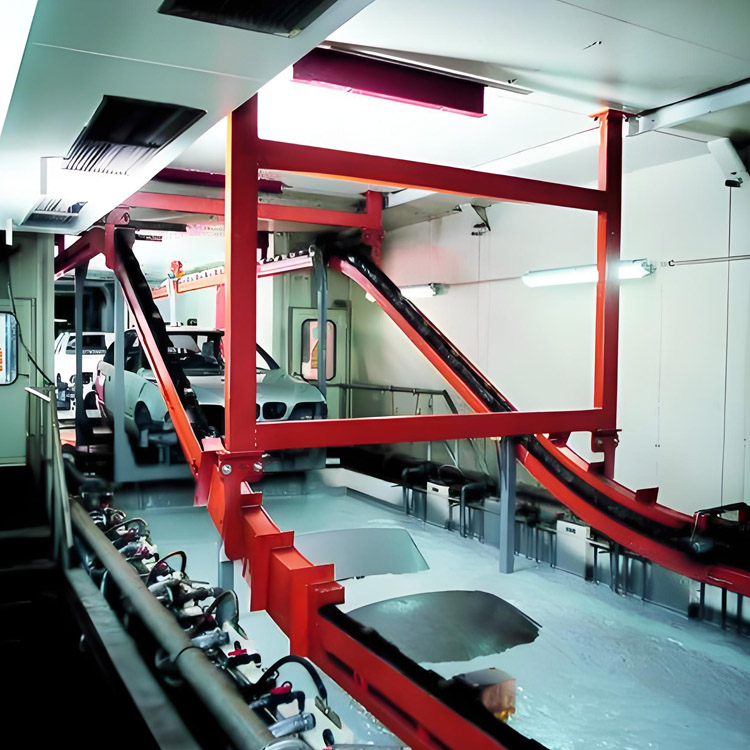
1. Why Surface Protection Matters in Manufacturing
Surface treatment is not simply a finishing step. It directly influences product durability, appearance, maintenance requirements, and customer satisfaction. Components installed in vehicles, outdoor machinery, electrical cabinets, and industrial equipment may be exposed to humidity, road salts, industrial contaminants, and repeated handling.
When the coating is uneven or incomplete, corrosion can begin at edges, recessed areas, joints, or other vulnerable locations. These defects may lead to premature product failure, additional repair work, and higher warranty costs.
For manufacturers supplying customers in North America and South America, coating consistency is particularly important when products are distributed across different climates and operating environments. A properly designed electrophoretic coating production line helps establish a repeatable process rather than relying entirely on manual application.
2. How Electrophoretic Coating Works
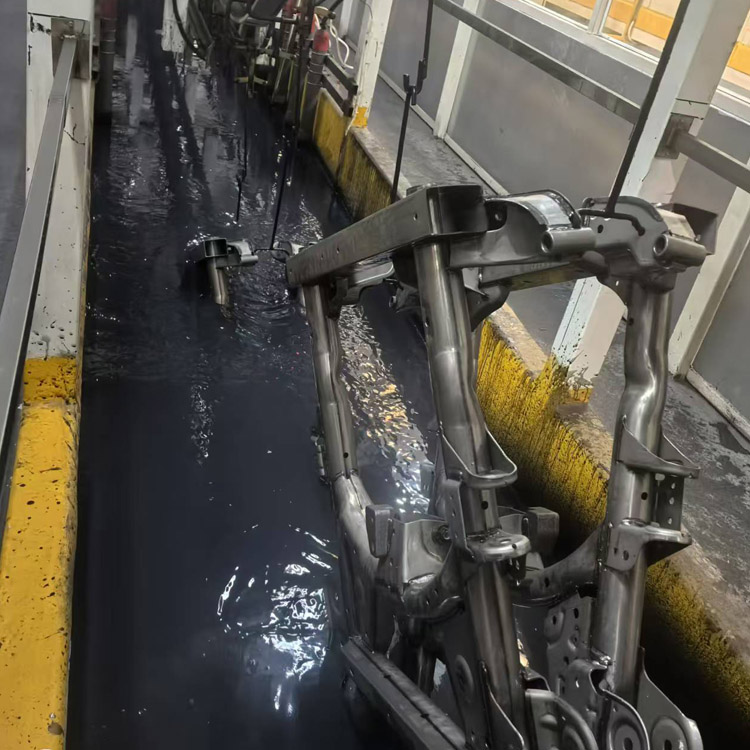
Electrophoretic coating, commonly called e-coating or electrocoating, uses an electric field to deposit charged coating particles onto conductive workpieces immersed in a specially formulated coating bath. The workpiece acts as an electrode, while the opposite electrode completes the electrical circuit.
When the system applies a controlled direct-current voltage, charged resin and pigment particles move toward the workpiece and form a deposited film. The coating gradually builds across accessible surfaces. After deposition, the workpiece is rinsed to remove excess material and then transferred to an oven for curing.
Understanding the Basic Principle
- Immersion: The prepared metal workpiece enters the coating bath.
- Electrical deposition: A controlled electrical field causes coating particles to deposit on the conductive surface.
- Film formation: The deposited coating develops into a continuous wet film.
- Rinsing: Excess coating material is removed and, depending on the system, recovered for reuse.
- Curing: The coating is heated according to the coating supplier's specified curing schedule.
Two common process categories are anodic and cathodic electrophoretic coating. They differ in electrode arrangement and coating chemistry. Cathodic e-coating is widely used in applications where strong corrosion protection is required, but the appropriate system must be selected according to the substrate, coating formulation, and performance specification.
3. The Main Production Process
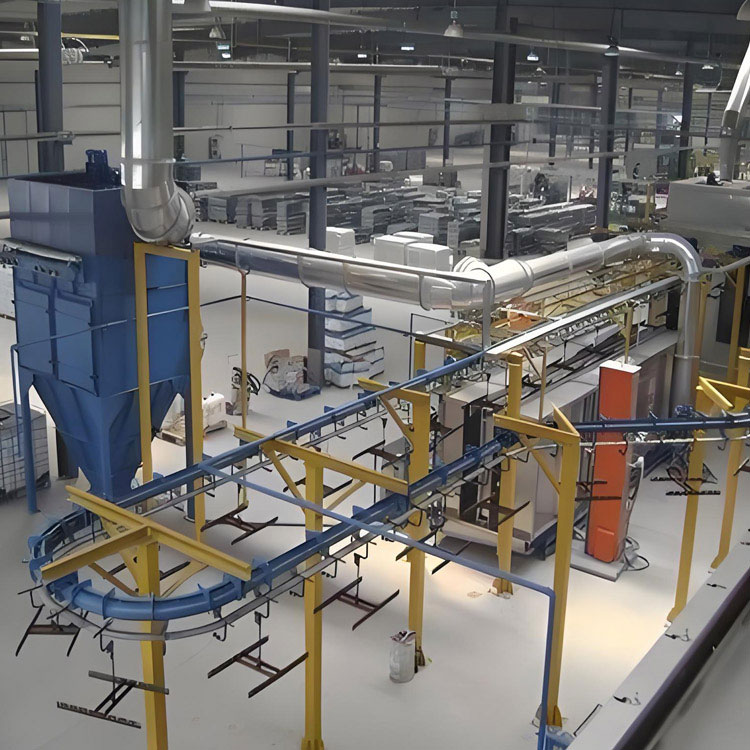
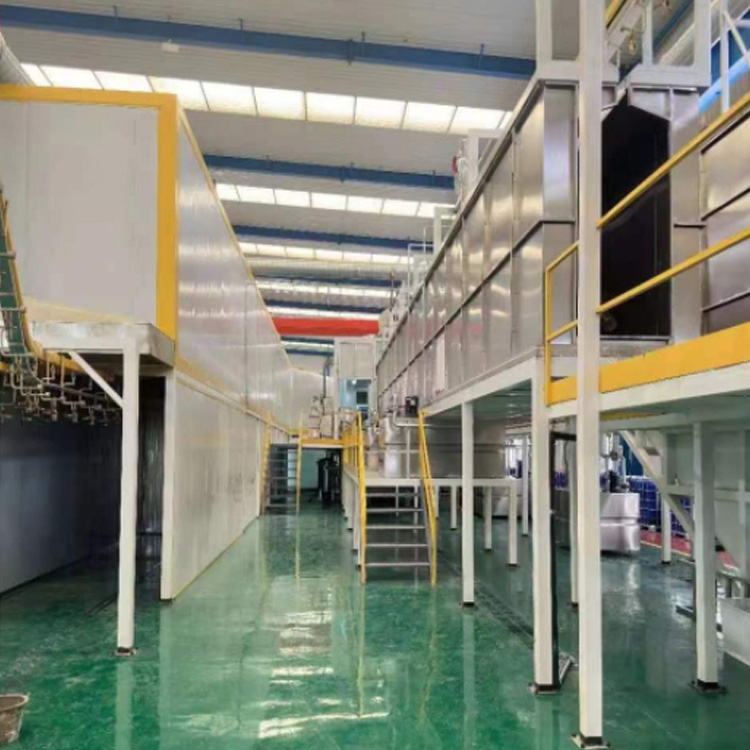
A complete production line connects several treatment stages into a coordinated system. The exact sequence varies with the metal substrate, part geometry, coating chemistry, required finish, and factory layout.
Stage 1: Loading and Pre-Cleaning
Parts are loaded onto racks, hangers, or a conveyor system. Oil, grease, dust, and loose contaminants must be removed or controlled before chemical pretreatment begins. Incorrect loading can create contact problems, trapped air, or areas that are difficult for liquid to reach.
Stage 2: Surface Pretreatment
Pretreatment may include degreasing, water rinsing, surface conditioning, and a conversion coating process. These steps prepare the metal for reliable adhesion and help reduce contamination in the e-coat bath. The chemistry must be matched to the substrate, such as steel, galvanized steel, or aluminum.
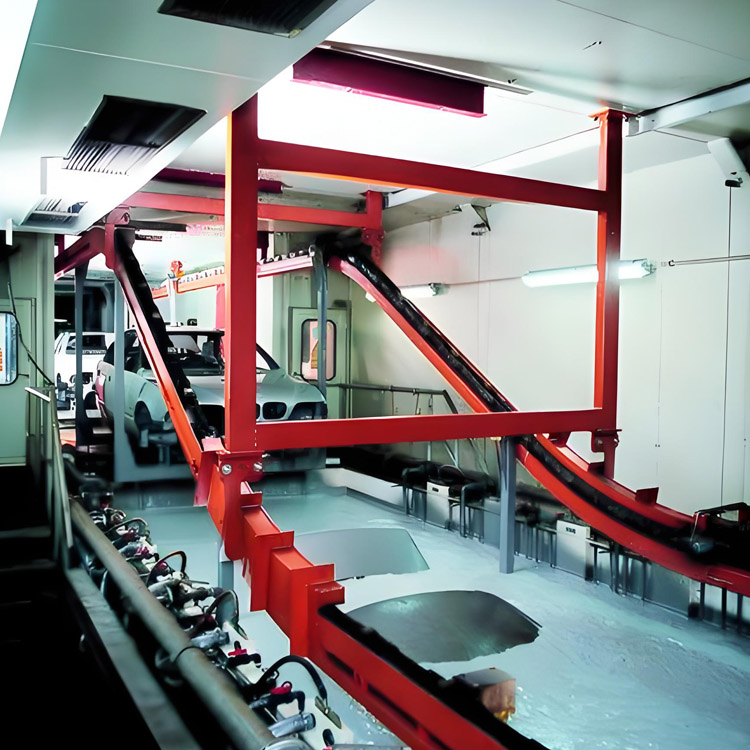
Stage 3: Electrophoretic Deposition
The workpieces enter the e-coating tank, where the power supply controls the deposition process. Voltage, immersion time, bath condition, temperature, and electrical contact all influence the resulting film. Consistent monitoring is essential for repeatable coating thickness.
Stage 4: Post-Rinsing and Recovery
After leaving the tank, parts may pass through several rinsing stages. Ultrafiltration systems can help separate usable coating material from water and support the return of recovered material to the main bath. The design should minimize drag-out and uncontrolled material loss.
Stage 5: Curing and Cooling
Coated parts enter a curing oven. The actual metal temperature and time at temperature must meet the coating supplier's requirements. Oven airflow, loading density, and conveyor speed all influence curing consistency. Parts should be cooled under suitable conditions before inspection or further handling.
Stage 6: Inspection and Unloading
Finished components are checked for appearance, film thickness, adhesion, and other specified performance requirements. Inspection methods should reflect the customer's drawings and applicable test standards.
4. Essential Equipment in a Coating Line
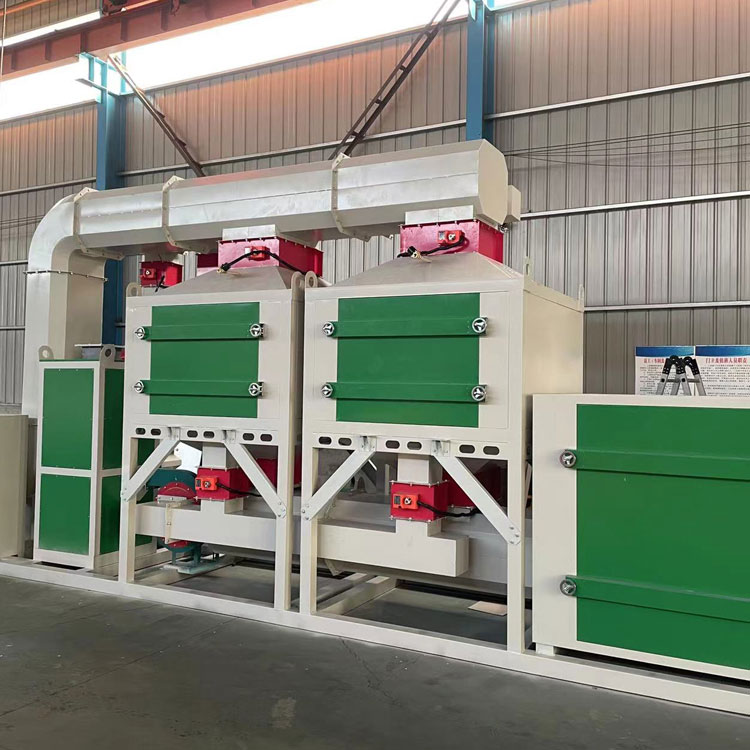
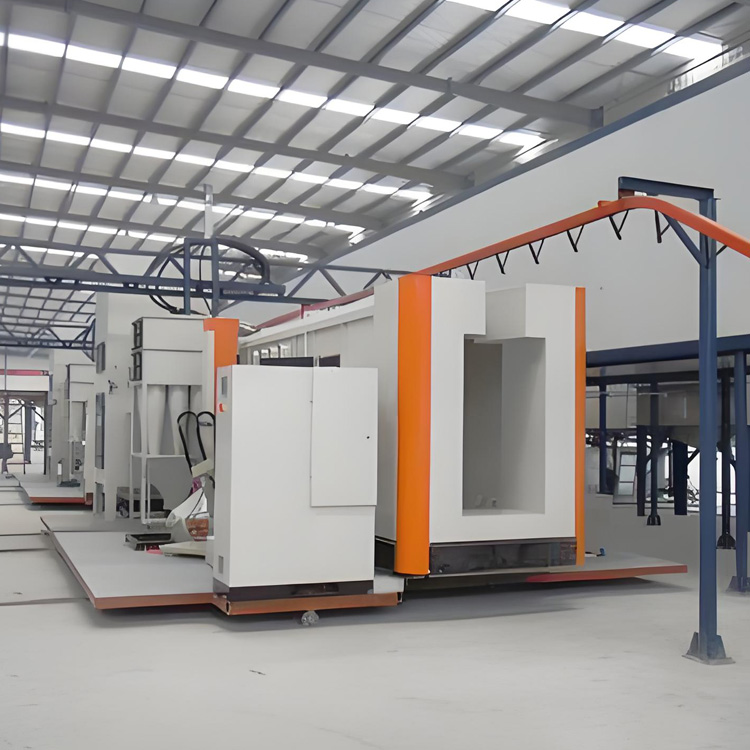
An electrophoretic coating production line is an integrated system. Its reliability depends on the coordination of tanks, material handling, electrical equipment, filtration, heating, ventilation, and process controls.
| Equipment | Main Function | What to Evaluate |
|---|---|---|
| Pretreatment tanks | Clean and prepare metal surfaces | Tank material, chemical compatibility, temperature control |
| E-coating tank | Hold the coating bath during deposition | Capacity, circulation, access, and maintenance design |
| DC power supply | Provide controlled deposition voltage | Output range, stability, protection, and control functions |
| Ultrafiltration system | Support rinsing and coating material recovery | Flow capacity, membrane compatibility, maintenance access |
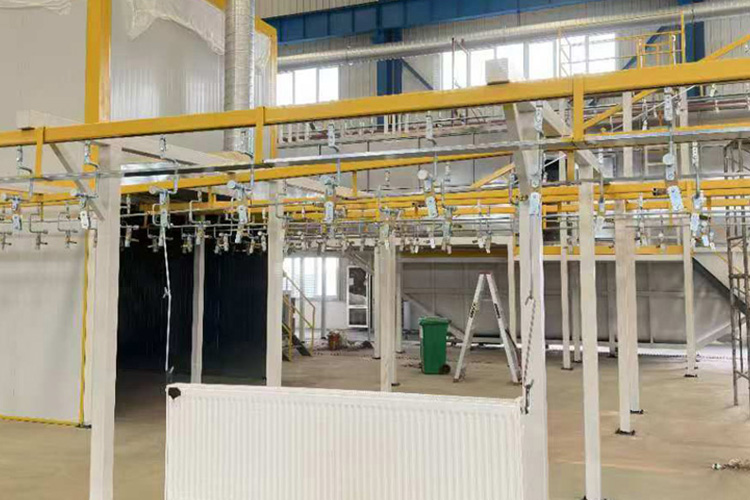
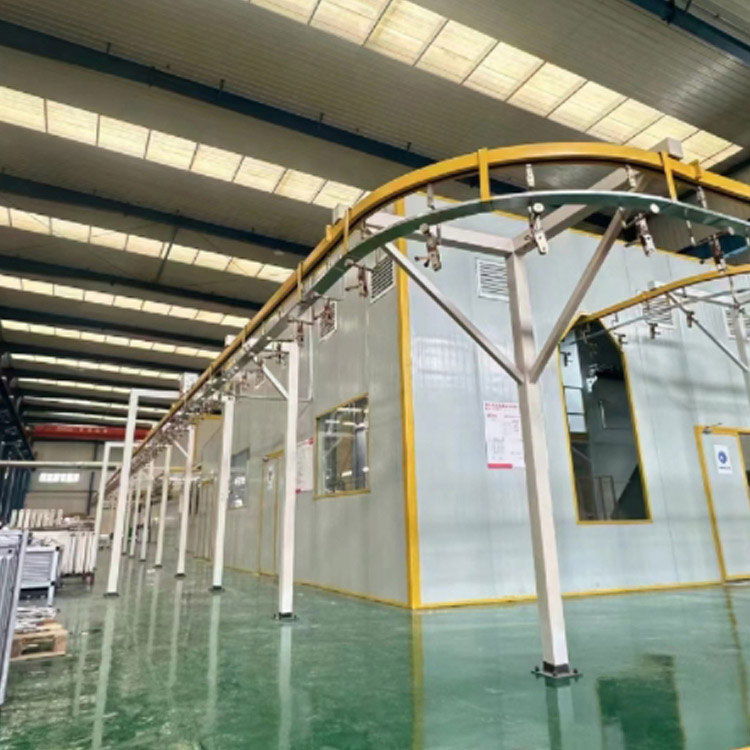
| Conveyor system | Move parts between process stages | Load capacity, speed control, layout, and reliability |
| Curing oven | Cure the deposited coating film | Temperature uniformity, airflow, insulation, energy use |
| Control system | Coordinate process operation | Monitoring, alarms, recipe management, data recording |
Equipment capacity should be calculated using actual production requirements. A tank that is too small can restrict throughput, while an oversized system may increase initial investment, chemical inventory, heating demand, and maintenance costs.
5. Key Benefits for Industrial Manufacturers
More Consistent Coating Coverage
The electric deposition process can provide good coverage on complex conductive components, including many recessed areas that are difficult to coat uniformly using conventional spray methods. Actual coverage depends on part geometry, electrical shielding, bath conditions, and system design.
Repeatable Production Quality
When process parameters are monitored and controlled, manufacturers can reduce variation between batches. This is valuable for suppliers producing large quantities of similar components for automotive, machinery, and electrical equipment customers.
Corrosion Protection
Appropriately selected e-coating systems can provide an effective protective layer. Performance should be verified through testing based on the final product specification, substrate, coating chemistry, and intended service environment.
Material Utilization
Rinsing and recovery arrangements can return usable coating material to the system. This may reduce material losses compared with processes that do not incorporate recovery, although actual savings depend on line design and operating discipline.
Process Automation
Conveyors, automated controls, and process monitoring can reduce repetitive manual handling and help stabilize production. Automation also makes it easier to record operating conditions and investigate quality deviations.
6. Process Parameters That Affect Coating Quality
Coating defects often result from several interacting factors rather than one isolated setting. Manufacturers should establish an approved operating window with their coating material supplier and equipment integrator.
| Parameter | Potential Effect | Control Approach |
|---|---|---|
| Bath temperature | Influences deposition behavior and bath stability | Monitor and maintain the specified range |
| Conductivity | Can affect electrical behavior and film formation | Test regularly and manage contamination |
| Voltage | Influences deposition rate and film build | Use a validated recipe and stable power supply |
| Immersion time | Affects the duration of deposition | Coordinate with conveyor speed and product geometry |
| Bath solids | Influences coating material availability | Check concentration according to supplier guidance |
| Curing conditions | Determine whether the film reaches its required properties | Verify part temperature and curing time |
Operators should avoid changing multiple parameters simultaneously when troubleshooting. A controlled adjustment process makes it easier to identify the actual cause of a defect.
7. Industrial Applications Across the Americas
North and South America contain diverse manufacturing sectors with different coating requirements. A production line should be configured around the components being manufactured rather than relying on a generic equipment specification.
- Automotive components: Brackets, structural parts, metal housings, and selected chassis components.
- Agricultural machinery: Metal frames, equipment parts, protective covers, and structural assemblies.
- Electrical enclosures: Cabinets, boxes, supports, and conductive metal housings.
- Construction hardware: Metal fittings, brackets, and selected building components.
- General machinery: Machine components and fabricated metal parts requiring controlled surface protection.
In North American projects, buyers may need to consider customer-specific automotive specifications, local environmental permits, workplace safety requirements, and relevant standards. In South American projects, manufacturers should also evaluate local utility conditions, chemical supply, service availability, language requirements, and the operating environment of the installation site.
8. Common Production Problems and Solutions
| Problem | Possible Causes | Recommended Investigation |
|---|---|---|
| Uneven coating thickness | Unstable electrical contact, loading variation, or bath imbalance | Check fixtures, electrical connections, and bath records |
| Poor adhesion | Insufficient cleaning or unsuitable pretreatment | Review surface preparation and contamination levels |
| Surface particles | Contaminated bath, dirty fixtures, or poor filtration | Inspect filtration, tank cleanliness, and handling practices |
| Incomplete curing | Incorrect oven conditions or excessive loading | Measure actual part temperature and review the curing profile |
| Excessive material loss | High drag-out or inefficient rinsing and recovery | Review rack drainage, rinse stages, and recovery operation |
For recurring defects, manufacturers should record the product type, production batch, bath condition, line speed, voltage, oven profile, and inspection results. A documented troubleshooting process is more effective than making repeated unrecorded adjustments.
9. How to Plan the Right Production Line
Before requesting a quotation, prepare a clear technical brief. This helps equipment suppliers understand the actual production challenge and reduces the risk of selecting an unsuitable system.
- Define the workpiece: Provide material type, dimensions, weight, geometry, and representative drawings or samples.
- Confirm production capacity: Specify target output per hour or shift, operating days, and expected product mix.
- Set coating requirements: Define target appearance, film thickness, corrosion performance, and testing criteria.
- Review the factory: Confirm available floor space, building height, utilities, drainage, and material flow.
- Evaluate automation: Decide whether manual loading, semi-automatic handling, or a fully automated conveyor is appropriate.
- Calculate operating costs: Consider electricity, water, chemicals, filters, maintenance, labor, and waste treatment.
- Confirm local requirements: Review environmental, electrical, occupational safety, and permitting obligations with qualified local professionals.
10. Maintenance and Quality Management
Long-term line performance requires more than reliable equipment at installation. A maintenance plan should cover the coating bath, pumps, filters, electrical connections, conveyor components, oven, sensors, and control system.
- Inspect pumps, piping, and circulation points for leaks or abnormal flow.
- Clean tanks and fixtures according to the approved maintenance schedule.
- Monitor bath chemistry and document test results.
- Check electrical contacts and grounding arrangements.
- Verify conveyor alignment, chain condition, and emergency stops.
- Calibrate temperature sensors and review oven temperature profiles.
- Keep spare parts and maintenance records for critical equipment.
Quality management should connect incoming material checks, process monitoring, finished-part inspection, and corrective actions. This allows production teams to identify trends before they become large-scale quality problems.
11. Frequently Asked Questions
Q1: What is an electrophoretic coating production line?
An electrophoretic coating production line is an integrated industrial system that uses electrical deposition to apply a coating to conductive workpieces. It typically includes pretreatment, an e-coating tank, rinsing, material recovery, curing, conveying, and process control equipment.
Q2: Which metals can be treated by electrophoretic coating?
Common substrates include steel and galvanized steel. Aluminum and other conductive metals may also be processed when the pretreatment chemistry and coating system are suitable. Compatibility should be confirmed through testing.
Q3: Is e-coating suitable for complex metal parts?
It can be suitable for many complex conductive components because electrical deposition can reach areas that are difficult to coat using some conventional methods. However, deep cavities, trapped air, electrical shielding, and part orientation must be evaluated during process design.
Q4: How is coating thickness controlled?
Thickness is influenced by voltage, deposition time, bath condition, coating chemistry, substrate, and part geometry. A validated process recipe and regular film-thickness inspection help maintain consistency.
Q5: Can an electrophoretic coating line be customized?
Yes. Tank dimensions, conveyor layout, loading arrangements, automation level, oven capacity, and process configuration can be designed around the customer's products, factory space, and production targets.
Q6: What should buyers in the Americas check before purchasing?
Buyers should review local electrical supply, factory layout, environmental and safety requirements, spare-part availability, operator training, installation support, and the supplier's ability to provide technical documentation in a suitable language.
Q7: Does e-coating eliminate the need for other protective processes?
Not necessarily. The required protection depends on the product's service environment and customer specification. Some applications may require additional coatings, sealing, or other finishing operations.
Conclusion
An electrophoretic coating production line can help manufacturers establish a controlled and repeatable surface treatment process for a wide range of conductive metal components. Its performance depends on the integration of pretreatment, electrical deposition, rinsing, curing, material recovery, and quality inspection.
For manufacturers in North and South America, the most suitable solution is one that matches actual product requirements, factory conditions, production capacity, and local operating needs. Careful planning and technical communication before installation can reduce commissioning risks and support stable long-term production.
About Jiangsu Qingguo Intelligent Technology Co., Ltd.
Jiangsu Qingguo Intelligent Technology Co., Ltd. focuses on intelligent industrial technology and production equipment solutions. When evaluating an electrophoretic coating project, manufacturers should communicate their workpiece specifications, target capacity, coating requirements, and factory conditions to support a practical equipment configuration.
Discuss Your Electrophoretic Coating Project
Planning a new coating facility or upgrading an existing surface treatment process? Share your product drawings, production targets, and factory requirements with Jiangsu Qingguo Intelligent Technology Co., Ltd. to discuss a suitable solution.
Contact us to start a technical discussion and explore an electrophoretic coating production line designed around your manufacturing needs.